Login with Google
Dec 23, 2025
Environment
26 views
Biodiversity Hotspots Under Siege
How
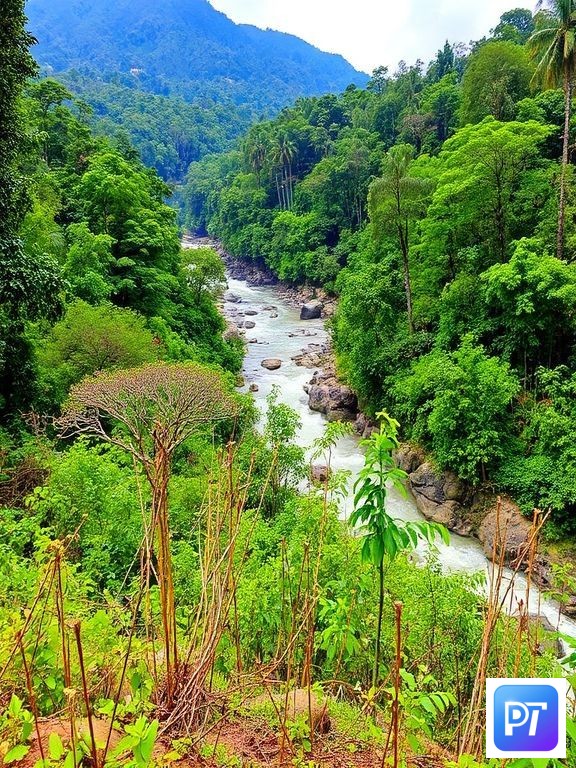
The Western Ghats, a biodiversity hotspot in India, is facing numerous threats, including deforestation, mining, and infrastructure development. According to a study by the Indian Institute of Science, the region has lost nearly 20% of its forest cover in the past few decades. This has resulted in the loss of habitats for numerous endemic species, including the Bengal tiger, Asian elephant, and Nilgiri tahr. The construction of dams, roads, and other infrastructure projects has also led to the fragmentation of forests, making it difficult for wildlife to migrate and find food. For example, the proposed construction of a highway through the Bhagwan Mahaveer Sanctuary and Mollem National Park in Goa has sparked concerns among environmentalists, who argue that it will lead to the destruction of habitats and increase human-wildlife conflict. As noted in Sustainable Farming, the use of sustainable agriculture practices can help reduce the pressure on forests and wildlife habitats. Furthermore, the implementation of policies such as the Forest Rights Act can help protect the rights of indigenous communities and promote conservation. However, as discussed in Climate Resilience, the lack of climate-resilient infrastructure in the region makes it vulnerable to the impacts of climate change. Additionally, the Urban Greenspaces initiative can help promote urban forestry and reduce the pressure on natural habitats.
Why
The loss of biodiversity in the Western Ghats has significant implications for the environment, human health, and the economy. The region is home to numerous medicinal plants, and the loss of these species can have a significant impact on the development of new medicines. Additionally, the region's forests play a crucial role in regulating the water cycle, and their loss can lead to changes in rainfall patterns and increased risk of floods and droughts. The economic implications of biodiversity loss are also significant, as the region's tourism industry, which is worth billions of dollars, is heavily dependent on the presence of wildlife and natural habitats. As noted on Biodiversity, the conservation of biodiversity is essential for maintaining ecosystem services and promoting human well-being. The Indian government has launched several initiatives to promote conservation, including the Wildlife Protection Act, which provides legal protection to endangered species and their habitats.
Small Description
The Western Ghats, a biodiversity hotspot in India, is facing numerous threats, including deforestation, mining, and infrastructure development. The region is home to numerous endemic species, and the loss of habitats and biodiversity has significant implications for the environment, human health, and the economy.
Future Outlook
In the future, the conservation of biodiversity in the Western Ghats will require a multi-faceted approach that involves the government, civil society, and local communities. The implementation of sustainable agriculture practices, climate-resilient infrastructure, and urban forestry initiatives can help reduce the pressure on forests and wildlife habitats. Additionally, the promotion of ecotourism and the development of sustainable livelihoods for local communities can help promote conservation and reduce human-wildlife conflict. The Indian government has launched several initiatives to promote conservation, including the Wildlife Protection Act, and it is essential that these efforts are continued and strengthened in the future. The use of technology, such as remote sensing and monitoring, can also help track changes in forest cover and wildlife populations, and inform conservation efforts.
Tags
biodiversity
Western Ghats
deforestation
infrastructure development
wildlife conservation