Login with Google
Dec 22, 2025
Environment
40 views
Disappearing Himalayan Glaciers
How
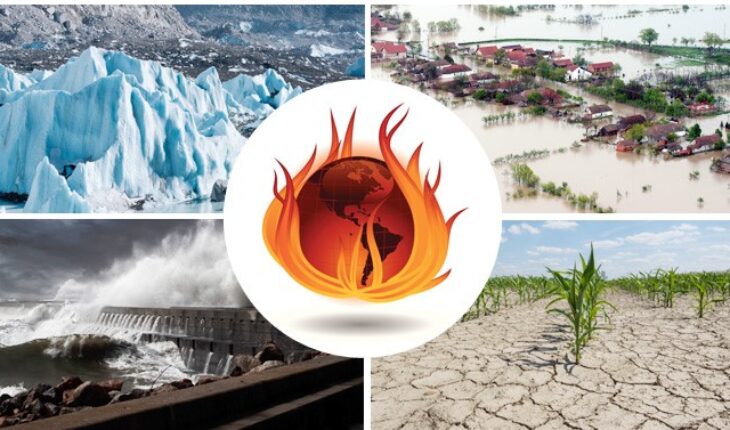
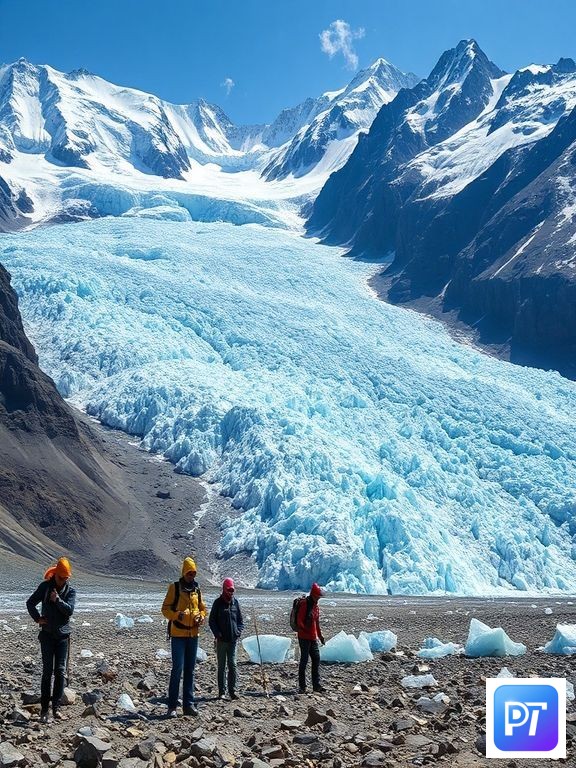
The Himalayan glaciers are disappearing at an alarming rate due to climate change. Rising temperatures are causing the glaciers to melt, resulting in changes to the hydrological cycle and impacting the availability of freshwater resources. For instance, the Gangotri glacier, which is the source of the Ganges River, has been receding at a rate of 20-30 meters per year. This has significant implications for the millions of people who depend on the Ganges River for their livelihood. To understand the impact of climate change on the Himalayan glaciers, it is essential to examine the role of sustainable agriculture practices in reducing greenhouse gas emissions. Additionally, the development of eco-friendly transportation systems can help reduce the carbon footprint of the region. Furthermore, the implementation of climate-resilient infrastructure can help mitigate the effects of climate change on the glaciers. According to the Himalayan glaciers Wikipedia page, the glaciers are not only a source of freshwater but also support biodiversity and influence the regional climate.
Why
The disappearance of the Himalayan glaciers is a pressing concern due to its far-reaching consequences. The glaciers play a crucial role in regulating the water cycle, and their melting can lead to changes in the flow of rivers, impacting agriculture, industry, and human settlements. Moreover, the loss of glaciers can also lead to an increase in natural disasters such as landslides and floods. To address this issue, it is essential to understand the underlying causes of climate change and develop strategies to mitigate its effects. This can be achieved through a combination of policy and regulatory measures, such as implementing sustainable agriculture practices, promoting eco-friendly transportation, and investing in climate-resilient infrastructure. The climate change Wikipedia page provides a comprehensive overview of the causes and effects of climate change, highlighting the need for immediate action to mitigate its impacts.
Small Description
The Himalayan glaciers are a vital component of the Earth's ecosystem, providing freshwater and supporting biodiversity. However, they are facing an unprecedented threat due to climate change. The melting of the glaciers can have severe consequences, including changes to the water cycle, increased natural disasters, and impacts on human settlements. It is essential to address this issue through a combination of policy and regulatory measures, as well as individual actions to reduce our carbon footprint.
Future Outlook
In the future, the disappearance of the Himalayan glaciers is likely to have severe consequences for the environment, economy, and human societies. To mitigate these effects, it is essential to develop and implement strategies to reduce greenhouse gas emissions and promote sustainable development. This can be achieved through the adoption of renewable energy sources, such as solar and wind power, and the development of climate-resilient infrastructure. Additionally, it is crucial to support climate change research and development, and to promote international cooperation to address this global issue. In India, the government has launched several initiatives to promote sustainable development and reduce greenhouse gas emissions, including the sustainable agriculture practices program. Globally, there is a need for increased cooperation and commitment to addressing climate change, and the development of eco-friendly transportation systems can play a significant role in reducing carbon emissions.
Tags
Himalayan glaciers
climate change
sustainable agriculture
eco-friendly transportation
climate-resilient infrastructure