Login with Google

Dec 19, 2025
Finance & Investing
61 views
Financial Inclusion Challenges
How
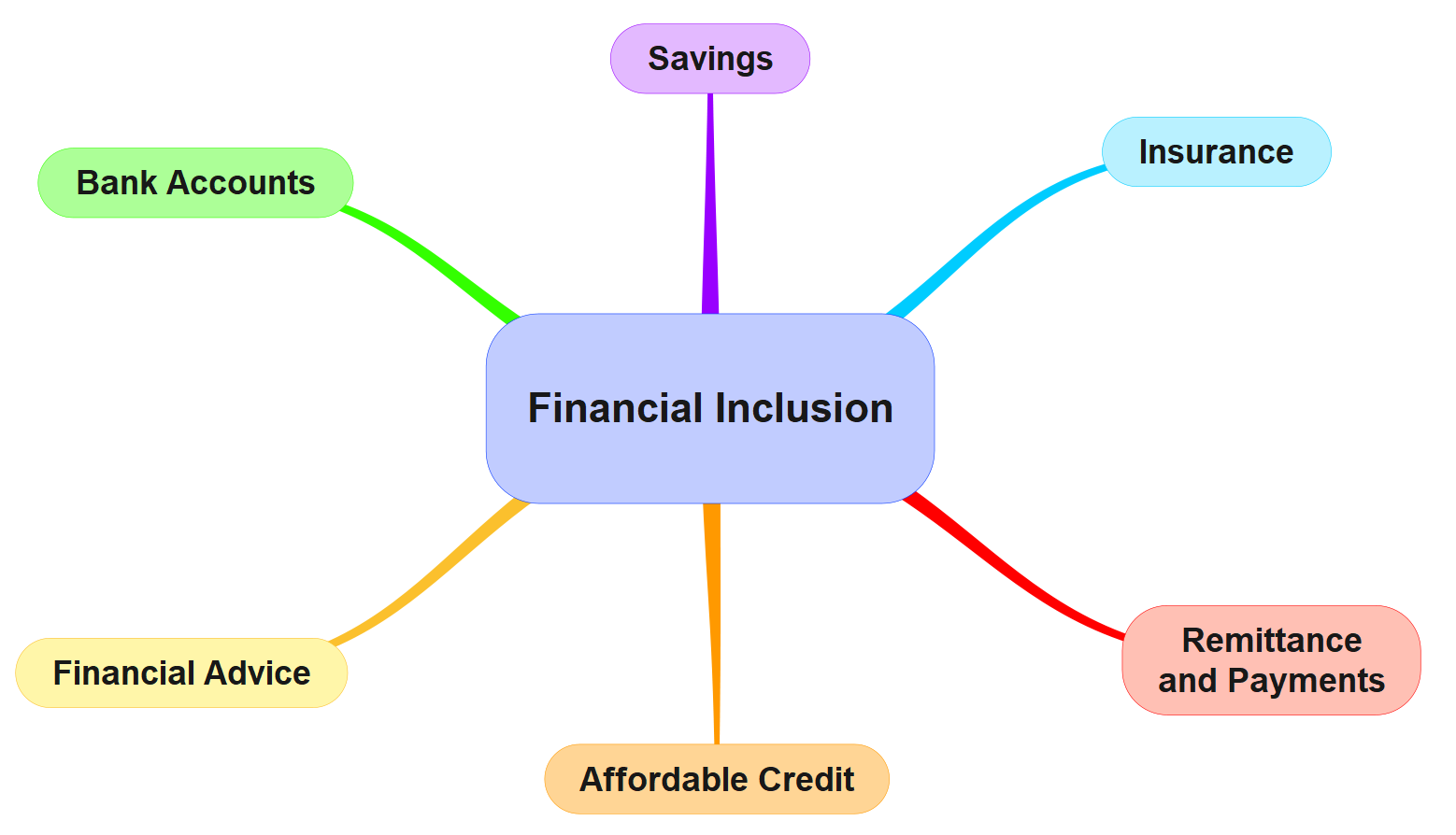
Financial inclusion has been a significant challenge in India, with many citizens lacking access to basic banking services. According to a report by the World Bank, in 2020, approximately 190 million adults in India remained unbanked. This issue is further complicated by the country's vast geographical diversity and socioeconomic disparities. To address this, the Indian government has launched several initiatives, including the Pradhan Mantri Jan-Dhan Yojana, which aims to provide banking services to all households. However, the success of such initiatives depends on the availability of robust infrastructure, including reliable internet connectivity and a wide network of bank branches and ATMs. As infrastructure development continues to play a crucial role, it is essential to consider the economic trade-offs involved in expanding banking services to rural areas. For instance, the cost of establishing and maintaining bank branches in remote locations can be prohibitively high, making it challenging for banks to operate profitably. Furthermore, the lack of financial literacy among rural populations can hinder the effective utilization of banking services, underscoring the need for targeted educational programs. As discussed in investment landscape analyses, addressing these challenges requires a multifaceted approach that incorporates both policy interventions and private sector participation. Moreover, the role of fintech innovations in enhancing financial inclusion cannot be overstated, as they offer potential solutions to the issues of accessibility and affordability.
Why
The importance of financial inclusion in India stems from its potential to reduce poverty and inequality. By providing access to banking services, individuals can safely store their savings, borrow money at reasonable interest rates, and invest in their futures. This, in turn, can have a positive impact on the overall economy, as financially included individuals are more likely to contribute to economic growth through consumption and investment. Moreover, financial inclusion can also facilitate the delivery of social welfare programs, such as direct benefit transfers, which aim to support vulnerable populations. However, achieving widespread financial inclusion is a complex task that requires careful consideration of the underlying socioeconomic and infrastructural challenges. It is essential to recognize that financial inclusion is not merely a matter of providing banking services but also involves addressing the deeper issues of financial literacy and economic empowerment. As India continues to navigate its path towards financial inclusion, it is crucial to adopt a nuanced approach that balances the needs of different stakeholders, including banks, policymakers, and, most importantly, the unbanked population. For more information on the concept of financial inclusion, see financial inclusion.
Small Description
Financial inclusion is a critical aspect of India's economic development, as it has the potential to reduce poverty and inequality. However, achieving widespread financial inclusion is a complex task that requires careful consideration of the underlying socioeconomic and infrastructural challenges. This article explores the challenges and opportunities associated with financial inclusion in India, highlighting the need for a multifaceted approach that incorporates both policy interventions and private sector participation.
Future Outlook
Looking ahead, the future of financial inclusion in India is likely to be shaped by the interplay between technological innovations, policy interventions, and changing consumer behaviors. The increasing adoption of digital payment systems and the growing presence of fintech companies are expected to play a significant role in expanding access to banking services. Moreover, the Indian government's initiatives to promote financial inclusion, such as the Pradhan Mantri Jan-Dhan Yojana, are likely to continue, with a focus on addressing the remaining challenges and ensuring that the benefits of financial inclusion are equitably distributed. As the financial inclusion landscape evolves, it is essential to monitor the impact of these developments on the economy and society, both in India and globally. The potential for financial inclusion to contribute to sustainable development and poverty reduction makes it an area of significant interest for policymakers, researchers, and practitioners alike. In the coming years, we can expect to see further innovations in fintech, increased investment in digital infrastructure, and a growing recognition of the importance of financial inclusion in achieving economic growth and social justice.
Tags
financial inclusion
banking services
infrastructure development
economic trade-offs
fintech innovations