Login with Google

Dec 20, 2025
Finance & Investing
26 views
Financial Literacy Gap Widens
How
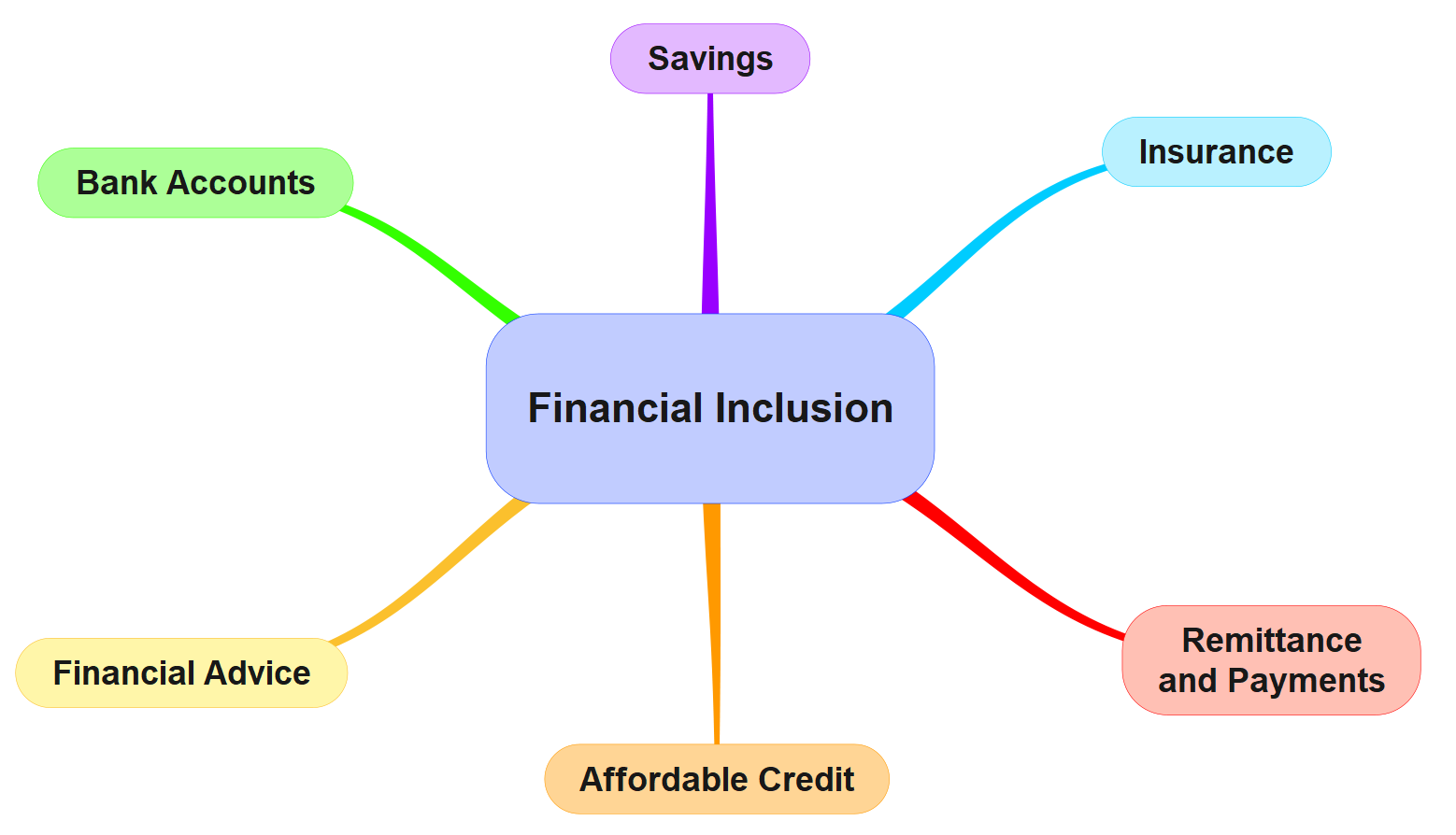
The financial literacy gap in India has been a longstanding issue, with a significant portion of the population lacking basic knowledge of financial concepts. This gap is further exacerbated by the lack of access to quality financial education, particularly in rural areas. According to a recent study, only 24% of Indians are financially literate, which is significantly lower than the global average. This lack of financial literacy has severe consequences, including poor financial decision-making, low savings rates, and a lack of investment in productive assets. For instance, many Indians are unaware of the benefits of investing in mutual funds or stocks, and instead, opt for traditional savings instruments such as fixed deposits. To address this issue, the government has launched several initiatives, including the Financial Inclusion Plan, which aims to increase access to financial services for the underserved population. Additionally, private organizations such as the National Stock Exchange have launched financial literacy programs to educate investors about the benefits and risks of investing in the stock market. Furthermore, the Securities and Exchange Board of India has introduced regulations to protect investors and promote transparency in the financial markets.
Why
The financial literacy gap in India is a complex issue, driven by a combination of factors, including limited access to quality education, cultural and social norms, and a lack of awareness about the importance of financial planning. For example, in many Indian households, financial decisions are often made by the patriarch, with limited involvement from other family members. This can lead to a lack of financial empowerment, particularly among women, who may not have the opportunity to develop their financial skills. Moreover, the lack of financial literacy can have severe consequences, including poverty, debt, and financial instability. According to the World Bank, financial inclusion is essential for reducing poverty and promoting economic growth. Therefore, it is essential to address the financial literacy gap in India, through a combination of education, awareness, and policy initiatives.
Small Description
The financial literacy gap in India is a significant issue, with far-reaching consequences for the economy and society. This article explores the causes and consequences of the financial literacy gap, and discusses potential solutions, including education, awareness, and policy initiatives.
Future Outlook
In the future, the financial literacy gap in India is likely to remain a significant challenge, particularly in the context of the country's rapidly evolving financial landscape. However, with the advent of digital technologies, such as mobile payments and online investing platforms, there are opportunities to increase access to financial services and promote financial literacy. For instance, the government's Digital India initiative aims to increase access to digital services, including financial services, for the underserved population. Additionally, private organizations are launching innovative financial literacy programs, such as gamification and interactive simulations, to educate investors about the benefits and risks of investing in the stock market. As the Indian economy continues to grow and evolve, it is essential to address the financial literacy gap, to promote financial inclusion, stability, and prosperity.
Tags
financial literacy
India
financial inclusion
education
awareness