Login with Google
Dec 25, 2025
Environment
23 views
Forest Fires and Ecosystem Disruption
How
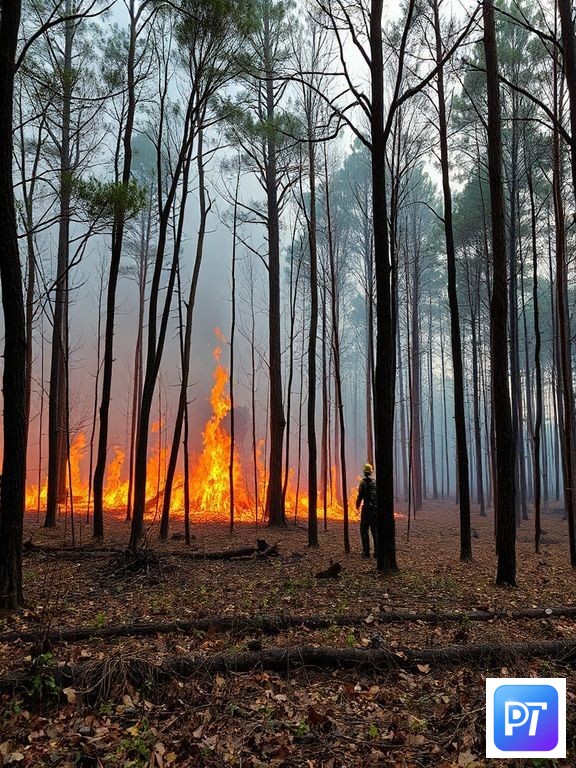
Forest fires have become an increasingly common occurrence in India, with the past few years seeing a significant rise in the number of fires and the area affected. This can be attributed to a combination of factors, including climate change, human activity, and the accumulation of dry underbrush. The impact of these fires is multifaceted, affecting not only the local ecosystem but also the global environment. For instance, the release of carbon dioxide and other greenhouse gases from burning trees contributes to climate change, which in turn exacerbates the risk of future fires. Furthermore, the destruction of habitats leads to biodiversity loss, as many species are unable to adapt to the rapidly changing environment. To understand the full extent of this issue, it's essential to consider the role of Human Nature Interactions, the impact of Climate Change on ecosystems, and the importance of Sustainable Practices in preventing such disasters. The relationship between forest fires and climate change is also worth exploring, as seen in the Wikipedia article on Climate Change.
Why
The reason behind the increasing frequency and severity of forest fires in India is complex and multifaceted. It involves understanding the interplay between human activities, such as deforestation and land use changes, and natural factors like drought and lightning. The economic and social implications of these fires are also significant, affecting not only the environment but also the livelihoods of people dependent on forestry and tourism. The importance of addressing this issue lies in its potential to mitigate climate change, protect biodiversity, and ensure the well-being of local communities. This can be achieved through a combination of policy changes, public awareness campaigns, and the adoption of sustainable practices. For example, implementing stricter regulations on land use and providing incentives for reforestation can help reduce the risk of fires. Additionally, educating the public about the dangers of forest fires and the simple steps they can take to prevent them, such as properly disposing of cigarettes and avoiding uncontrolled burns, can make a significant difference. The Wikipedia article on Forest Ecology provides further insight into the delicate balance of forest ecosystems and the impact of human activities on these environments.
Small Description
Forest fires in India have become more frequent and severe, affecting local ecosystems and contributing to global climate change. The causes are multifaceted, including human activity and natural factors. Addressing this issue requires policy changes, public awareness, and the adoption of sustainable practices to mitigate climate change, protect biodiversity, and ensure community well-being.
Future Outlook
Looking ahead, the future of forest fire management in India will likely involve a multi-faceted approach, incorporating technological advancements, policy reforms, and community engagement. The use of drones and satellite imaging to monitor forest health and detect early signs of fires could become more prevalent. Additionally, there may be a shift towards more sustainable land use practices, such as agroforestry and permaculture, which can help reduce the risk of fires while promoting biodiversity. Internationally, there could be a greater emphasis on cooperation and knowledge sharing to address the global implications of forest fires. This might involve the development of international protocols for fire prevention and management, as well as collaborative research into the impacts of climate change on forest ecosystems. The long-term impact of these efforts will depend on the ability of governments, communities, and individuals to work together towards a common goal of protecting the world's forests and mitigating the effects of climate change.
Tags
forest fires
ecosystem disruption
climate change
biodiversity loss
sustainable practices