Login with Google
Dec 19, 2025
Technology
23 views
India's Digital Identity Conundrum
How
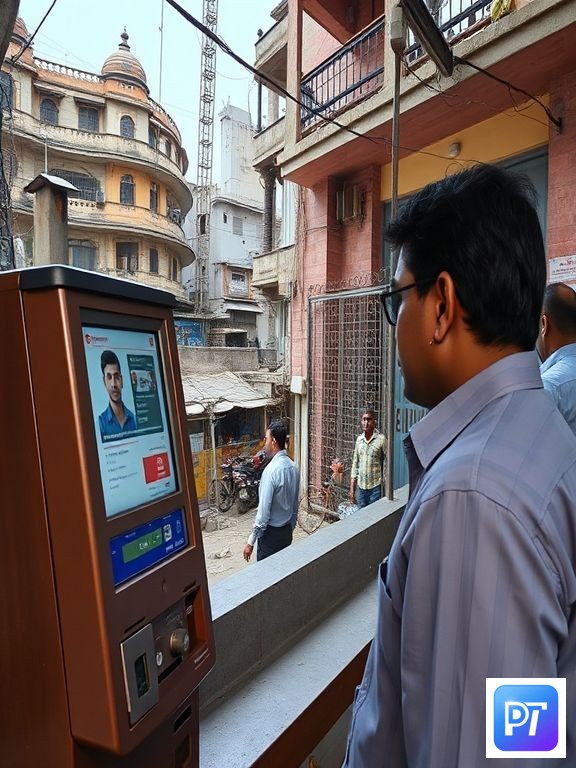
The Indian government's push for a digital identity system has sparked a heated debate about the balance between convenience and privacy. On one hand, a unified digital identity can simplify various transactions and services, making life easier for citizens. For instance, the Digital India initiative has already shown promising results in rural areas, where digital literacy is on the rise. Moreover, a digital identity system can also help reduce corruption and increase transparency in government services, as seen in the digital payment landscape. However, on the other hand, there are concerns about data security and the potential for mass surveillance. As the cybersecurity landscape continues to evolve, it is essential to address these concerns and find a balance between the benefits and risks of a digital identity system. According to Wikipedia, digital identity is a complex issue that requires careful consideration of various factors, including privacy, security, and social implications.
Why
The reason behind the Indian government's push for a digital identity system is to create a unified and efficient platform for various services. This can help reduce bureaucracy and increase citizen engagement, ultimately leading to better governance. However, it is crucial to consider the potential risks and challenges associated with such a system, including data breaches and social exclusion. As the digital divide persists in rural India, it is essential to ensure that the digital identity system is inclusive and accessible to all citizens. Furthermore, the human-centric design of the system is critical to its success, as it must prioritize the needs and concerns of citizens. The digital footprint paradox also highlights the need for a balanced approach to digital identity, one that considers both the benefits and risks of a unified system.
Small Description
The Indian government's digital identity system aims to create a unified platform for various services, but it raises concerns about privacy and security. The system must balance convenience and transparency with the need to protect citizen data and prevent mass surveillance.
Future Outlook
In the future, India's digital identity system is likely to evolve and become more sophisticated, with the integration of emerging technologies such as blockchain and artificial intelligence. This could lead to increased security and efficiency, but also raises new concerns about data ownership and control. As the system develops, it is essential to prioritize citizen-centric design and ensure that the benefits of digital identity are accessible to all. The impact of this system will be significant, both in India and globally, as it has the potential to shape the future of digital governance and citizen engagement. According to Wikipedia, blockchain technology has the potential to increase security and transparency in digital identity systems.
Tags
digital identity
India
privacy
security
convenience