Login with Google

Dec 30, 2025
Environment
26 views
India's Ecological Footprint
How
India's ecological footprint has been increasing over the years, with the country's population and economy growing rapidly. This has led to a significant increase in greenhouse gas emissions, deforestation, and water pollution. According to a report by the ecological footprint, India's footprint has increased by 50% in the last decade. The main contributors to this increase are the energy and transportation sectors, which account for over 70% of the country's emissions. To reduce its ecological footprint, India needs to adopt sustainable practices such as renewable energy, sustainable agriculture, and efficient transportation systems. For example, the government can incentivize the use of electric vehicles, promote the use of public transport, and invest in renewable energy sources such as solar and wind power. Additionally, the government can implement policies to reduce deforestation and promote reforestation efforts. As noted in Soil Erosion Crisis, soil erosion is a significant problem in India, and the government needs to take measures to prevent it. Furthermore, as discussed in Climate Change and Fisheries, climate change is affecting India's fisheries, and the government needs to take measures to mitigate its impact. Moreover, as mentioned in Nature's Resilience, nature has the ability to bounce back from climate change, and the government needs to take measures to promote this resilience.
Why
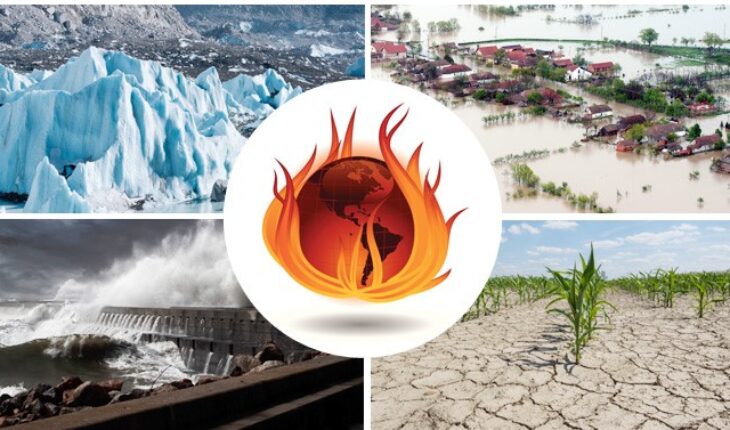
The increase in India's ecological footprint is a significant concern because it has severe implications for the country's environment, economy, and human health. The effects of climate change, such as rising temperatures, changing precipitation patterns, and increased frequency of natural disasters, can have devastating impacts on India's agriculture, water resources, and human settlements. Moreover, the degradation of natural resources such as forests, water, and soil can lead to loss of biodiversity, decreased crop yields, and reduced water quality. To mitigate these impacts, India needs to adopt a sustainable development path that balances economic growth with environmental protection and social equity. This requires a fundamental transformation of the country's economic, social, and political systems, as well as a change in individual behaviors and lifestyles. For instance, the government can promote sustainable consumption patterns, reduce waste generation, and encourage the use of eco-friendly products. Additionally, the government can invest in education and awareness-raising programs to promote environmental consciousness and community engagement in sustainable development. As mentioned earlier, the government can also incentivize the use of renewable energy sources, promote sustainable agriculture practices, and implement policies to reduce deforestation and promote reforestation efforts.
Small Description
India's ecological footprint has been increasing over the years, with the country's population and economy growing rapidly. This has led to a significant increase in greenhouse gas emissions, deforestation, and water pollution. To reduce its ecological footprint, India needs to adopt sustainable practices such as renewable energy, sustainable agriculture, and efficient transportation systems.
Future Outlook
In the future, India's ecological footprint is expected to continue increasing unless the country takes drastic measures to reduce its greenhouse gas emissions and promote sustainable development. The government can promote the use of electric vehicles, invest in renewable energy sources, and implement policies to reduce deforestation and promote reforestation efforts. Additionally, the government can invest in education and awareness-raising programs to promote environmental consciousness and community engagement in sustainable development. As the world's third-largest emitter of greenhouse gases, India has a critical role to play in global efforts to mitigate climate change. The country's actions will not only have significant implications for its own environment, economy, and human health but also for the global community. Therefore, it is essential for India to adopt a sustainable development path that balances economic growth with environmental protection and social equity.
Tags
ecological footprint
sustainable development
climate change
environmental protection
social equity