Login with Google
Dec 21, 2025
Technology
26 views
Navigating Digital Inequality
How
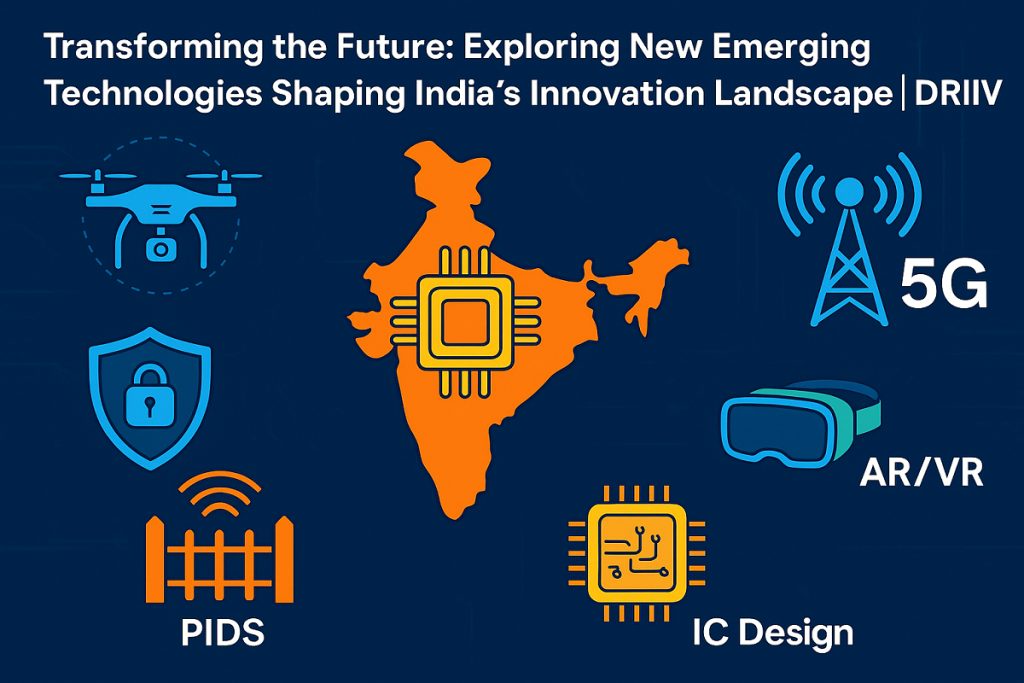
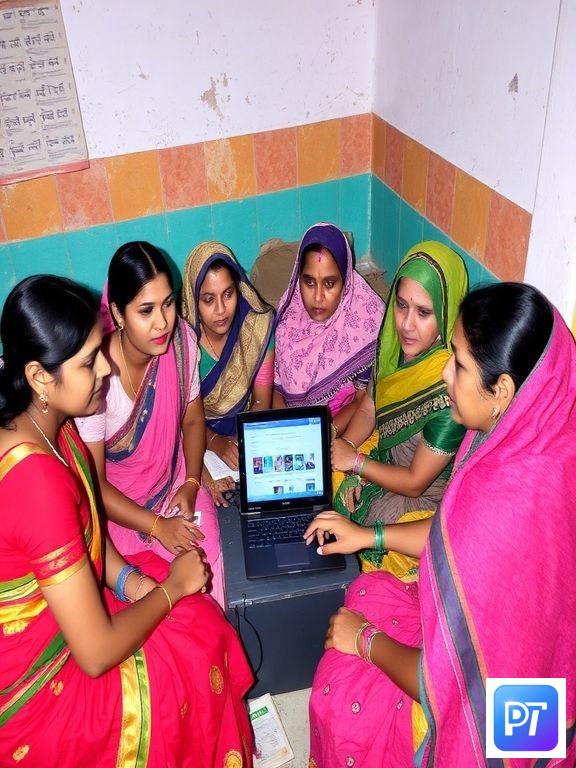
The issue of digital inequality is a complex one, with many factors contributing to the disparities in access to technology and the internet. In India, for example, the digital divide is particularly pronounced, with many rural areas lacking even basic connectivity. To understand how this issue can be addressed, it's essential to examine the root causes of digital inequality. One major factor is the lack of infrastructure in rural areas, where many communities are still without access to reliable internet or even basic telephone services. This can be attributed to the high costs of building and maintaining infrastructure in these areas, as well as the lack of economic incentives for private companies to invest in these regions. However, initiatives such as the Indian government's 5G rollout and programs aimed at increasing digital literacy, like digital education initiatives, are crucial steps towards bridging this gap. Furthermore, public-private partnerships, such as those discussed in cybersecurity forums, can play a significant role in bringing technology to underserved areas. Wikipedia's page on digital divide provides a comprehensive overview of this issue globally.
Why
The reasons behind digital inequality are multifaceted, including socioeconomic factors, geographical challenges, and the lack of tailored solutions for different communities. Understanding these reasons is crucial for devising effective strategies to combat digital inequality. For instance, socioeconomic factors such as income level and education play a significant role in determining access to digital technologies. Geographical challenges, especially in countries like India with its diverse and vast rural landscapes, pose significant barriers to the deployment of digital infrastructure. Tailoring solutions to meet the specific needs of different communities, such as developing affordable devices and internet plans, is essential. This is why initiatives focusing on digital payment systems and edge computing are vital, as they can provide accessible and efficient digital services. Moreover, the Wikipedia page on ICT for development highlights the potential of technology in bridging societal gaps.
Small Description
Digital inequality is a pressing issue that affects millions worldwide, particularly in rural and underserved areas. The lack of access to digital technologies and the internet exacerbates existing social and economic disparities. Initiatives aimed at increasing digital access and literacy are crucial for bridging this gap. The Indian government's efforts to expand 5G services and promote digital education are significant steps in this direction. However, addressing digital inequality requires a multifaceted approach that includes infrastructure development, public-private partnerships, and tailored solutions for different communities.
Future Outlook
Looking ahead, the future of digital equality is closely tied to advancements in technology and strategic policy interventions. The rollout of 5G and beyond will play a critical role in expanding internet access to more areas. Moreover, emerging technologies like edge computing and artificial intelligence can help in developing more accessible and affordable digital services. Policy-wise, governments will need to implement regulations that encourage investment in digital infrastructure in rural and underserved areas. Public awareness campaigns about the importance of digital literacy and the benefits of internet access will also be crucial. Globally, international cooperation and knowledge sharing will be essential in addressing the digital divide, ensuring that no community is left behind in the digital age. The impact on India will be significant, with increased digital access expected to boost economic growth, improve education outcomes, and enhance healthcare services. Globally, bridging the digital divide will be a key factor in achieving the United Nations' Sustainable Development Goals, particularly those related to education, gender equality, and economic growth.
Tags
Digital Inequality
India
5G
Digital Literacy
Infrastructure