Login with Google
Dec 20, 2025
Environment
27 views
The Impact of Climate Change on Indian Agriculture
How
Climate change is having a profound impact on Indian agriculture, with rising temperatures, changing precipitation patterns, and increased frequency of extreme weather events affecting crop yields, quality, and distribution. For instance, the 2019 heatwave in India resulted in significant crop losses, particularly for wheat and pulses, highlighting the vulnerability of the agricultural sector to climate-related stressors. To address this issue, the Indian government has launched initiatives such as the National Mission on Sustainable Agriculture, which aims to promote climate-resilient agriculture practices, such as conservation agriculture and agroforestry. Additionally, Climate-Smart Agriculture practices, such as precision irrigation and crop insurance, can help farmers adapt to the changing climate. Furthermore, Agricultural Research and Development programmes can play a crucial role in developing climate-resilient crop varieties and improving agricultural productivity.
Why
The impact of climate change on Indian agriculture has significant implications for the country's food security, economy, and rural livelihoods. As the global climate continues to change, it is essential that India adopts a proactive and adaptive approach to addressing the challenges posed by climate change. This requires a fundamental transformation of the agricultural sector, one that prioritizes sustainability, resilience, and equity. According to Wikipedia, climate change is projected to reduce agricultural productivity in India by up to 10% by 2030, highlighting the need for urgent action to address this issue.
Small Description
Climate change is having a profound impact on Indian agriculture, with significant implications for the country's food security, economy, and rural livelihoods. This article explores the causes and consequences of climate change in agriculture, as well as the initiatives underway to promote climate-resilient agriculture practices.
Future Outlook
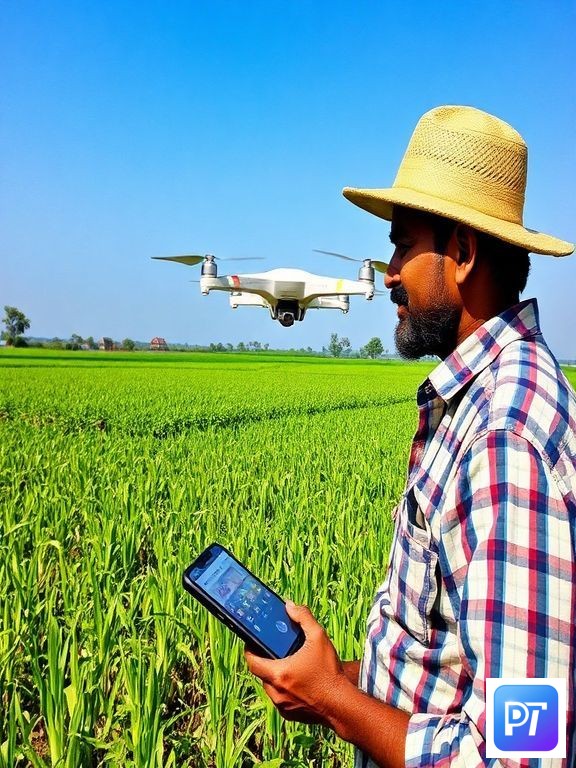
As the global climate continues to change, it is likely that the impact on Indian agriculture will only increase. However, there are also opportunities for innovation and progress in climate-resilient agriculture. For example, the use of precision agriculture technologies, such as drones and satellite imaging, can help farmers optimize crop yields and reduce water and fertilizer usage. Additionally, the development of new climate-resilient crop varieties can help improve agricultural productivity and reduce the risk of crop failures. In the long term, it is essential that India adopts a comprehensive and integrated approach to addressing the challenges posed by climate change, one that involves all stakeholders and recognizes the intrinsic value of sustainable agriculture. This will require significant investment in research, development, and extension services, as well as a fundamental shift in the way we think about and practice agriculture. As the global community moves forward, it is likely that India will play a critical role in shaping the future of climate-resilient agriculture, both regionally and globally.
Tags
Climate Change
Agriculture
Sustainable Agriculture
Climate-Smart Agriculture
Agricultural Research and Development