Online Business
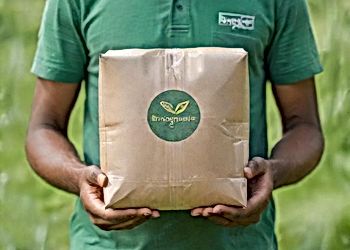
The ecommerce industry in India is increasingly adopting sustainable practices, driven by growing consumer demand and regulatory pressure. Businesses are adopting sustainable practices such as biodegradable packaging and renewable energy, and are also optimizing their supply chains and reducing waste.

Online Business
The ecommerce industry in India is facing significant regulatory challenges. The lack of clear guidelines and regulations is creating uncertainty and confusion for businesses. To navigate these challenges, businesses will need to stay up to date with the latest developments and be prepared to adapt to changing regulations.

Online Business
The evolution of digital payment systems is transforming the way consumers make transactions online. Online businesses are leveraging technology to provide consumers with a seamless and secure payment experience, driven by the increasing demand for convenience and flexibility in online payments.

Online Business
The way consumers shop online is changing, with social media and online reviews playing a larger role in purchasing decisions. Ecommerce businesses must adapt to these changes by investing in social media marketing and prioritizing sustainability and social responsibility. Additionally, ecommerce businesses must ensure that their websites and mobile apps are accessible to all customers and address the digital literacy gap in online business.

Online Business
The ecommerce industry is experiencing rapid growth, but this growth also presents challenges for ecommerce businesses. To succeed, ecommerce businesses must focus on secure and convenient payment options, improve their delivery times and customer satisfaction, and comply with regulations. Additionally, ecommerce businesses must consider the environmental impact of their operations and adopt sustainable practices to reduce their environmental footprint.

Online Business
Digital payment systems have revolutionized the way people make transactions online. With the rise of platforms like Paytm and Google Pay, it's become easy for people to make payments online without the need for physical cash or cards. However, the adoption of digital payment systems has also raised concerns about cybersecurity and digital literacy.

Online Business
The ecommerce market has become increasingly saturated, making it harder for new businesses to stand out and gain traction. This saturation is due to the ease of entry into the market and the rise of social media. To succeed in this crowded market, businesses need to find ways to differentiate themselves and provide a unique experience for their customers.

Online Business
The rural ecommerce market offers significant opportunities for businesses to expand their customer base and increase revenue. By catering to the needs of rural customers, businesses can tap into a large and underserved market, while also contributing to rural development and economic growth.

Online Business
The ecommerce industry must prioritize inclusivity to serve diverse customer needs and ensure a welcoming online shopping experience. This requires implementing accessibility features, catering to linguistic and cultural diversity, and promoting digital literacy. By doing so, businesses can tap into a wider market, gain a competitive edge, and comply with legal requirements.

Online Business
The digital payment industry is growing rapidly, with more and more people turning to online payments as a convenient and secure alternative to traditional cash and credit cards. However, this growth has also led to a number of challenges, including increased competition, higher customer expectations, and the need for businesses to adapt to changing consumer behaviors. Businesses are responding to these challenges by investing in digital payment systems, in order to provide their customers with a seamless and secure online payment experience.

Online Business
Dec 25, 2025
1 min read
Hot
The ecommerce industry is growing rapidly, with more and more people turning to online shopping as a convenient and time-saving alternative to traditional brick-and-mortar stores. However, this growth has also led to a number of challenges, including increased competition, higher customer expectations, and the need for businesses to adapt to changing consumer behaviors. Businesses are responding to these challenges by investing in digital marketing and analytics, in order to better understand their customers and tailor their marketing efforts accordingly.

Online Business
The Indian online consumer has undergone significant cultural shifts in recent years, driven by increasing digital literacy, growing access to smartphones and internet, and the proliferation of online marketplaces. As a result, online shopping has become more inclusive, with people from all walks of life participating in the ecommerce ecosystem. The industry needs to cater to the unique needs and preferences of the Indian online consumer, with a focus on convenience, affordability, and product variety.
 Login with Google