Login with Google
Dec 22, 2025
Environment
52 views
Can India's Coastal Erosion Be Reversed?
How
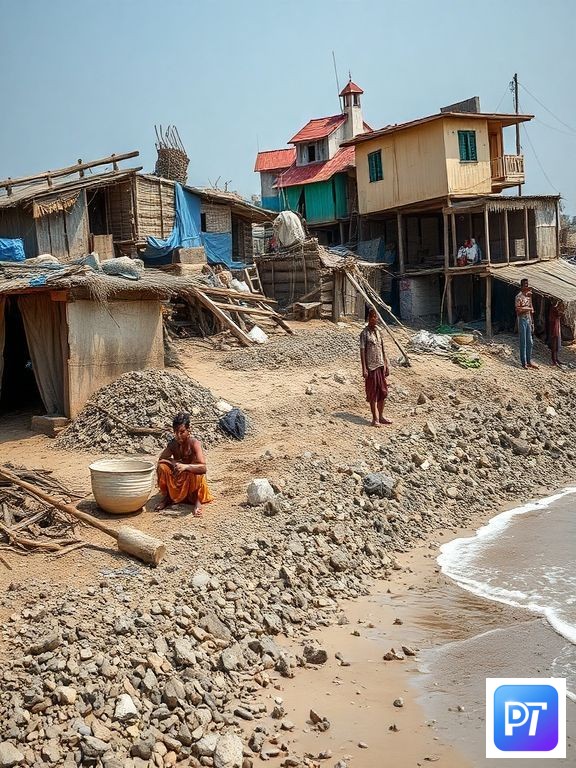
India's coastline is facing severe erosion due to climate change, with rising sea levels and increased storm frequency. This has resulted in the loss of livelihoods, homes, and infrastructure for many coastal communities. To understand how this can be reversed, it's essential to examine the root causes of coastal erosion. One major factor is the destruction of natural barriers such as mangroves and coral reefs, which provide a buffer against storms and sea-level rise. Mangrove conservation efforts are underway, but more needs to be done to restore these vital ecosystems. Additionally, sustainable agriculture practices can help reduce soil erosion and sedimentation in waterways, which contribute to coastal erosion. Furthermore, climate-resilient infrastructure can be designed to protect coastal communities from the impacts of climate change. Wikipedia's page on coastal erosion provides more information on this topic.
Why
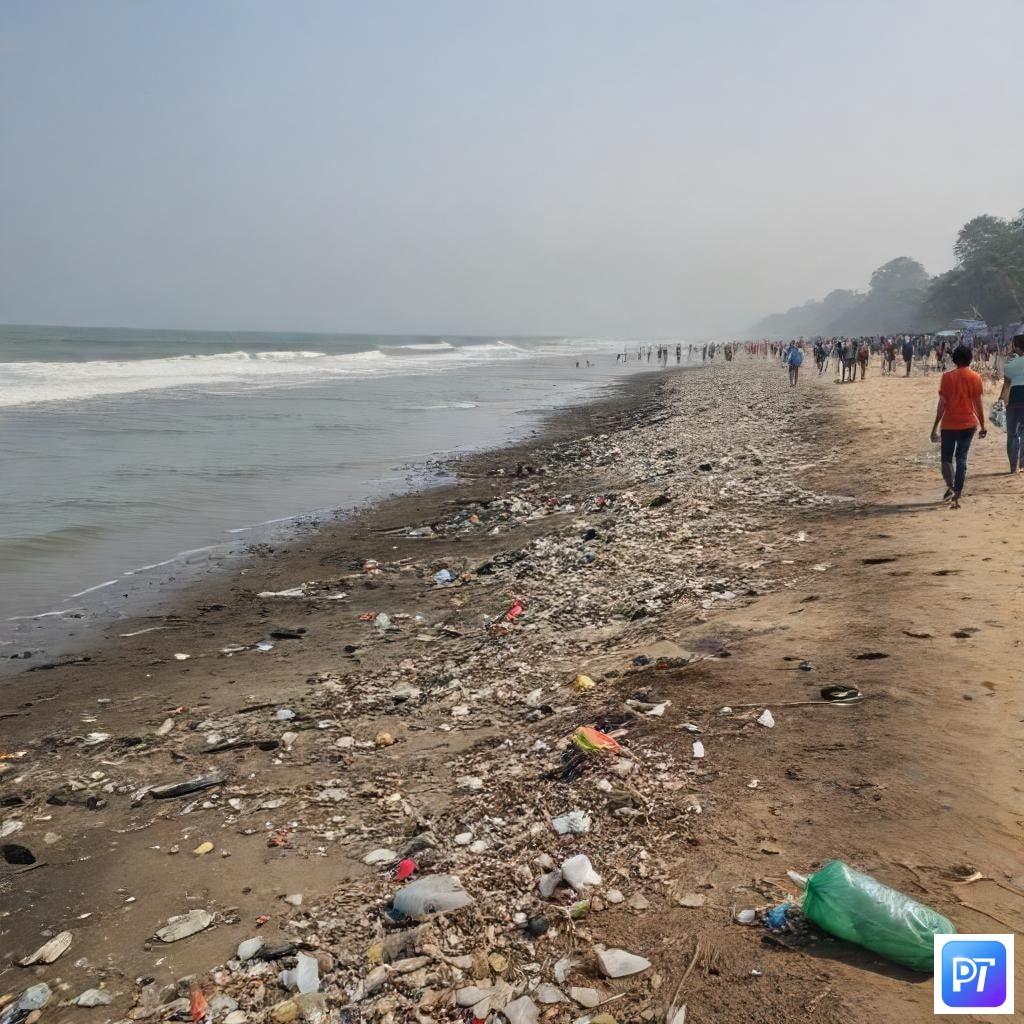
Reversing coastal erosion is crucial for the long-term sustainability of India's coastal ecosystems and communities. The economic impacts of coastal erosion are significant, with losses to tourism, fishing, and other industries. Moreover, the social impacts are profound, with many communities facing displacement and loss of livelihoods. To address this, it's essential to understand the cultural and historical context of coastal communities and the importance of preserving their way of life. The urban greenspaces movement can provide inspiration for coastal conservation efforts, while waste management challenges must be addressed to reduce pollution in coastal areas. Wikipedia's page on climate change in India highlights the need for urgent action to mitigate the effects of climate change.
Small Description
India's coastline is facing severe erosion due to climate change, resulting in the loss of livelihoods, homes, and infrastructure for many coastal communities. To address this, it's essential to examine the root causes of coastal erosion and implement measures to reverse it.
Future Outlook
In the future, India can expect to see increased investment in coastal conservation and climate-resilient infrastructure. This may involve the development of new technologies and innovative approaches to addressing coastal erosion. For example, the use of natural barriers such as mangroves and coral reefs can be combined with artificial structures such as sea walls and dunes to provide comprehensive protection for coastal communities. Additionally, sustainable agriculture practices and waste management efforts can be scaled up to reduce the impacts of climate change on coastal ecosystems. As the global community continues to grapple with the challenges of climate change, India can play a leadership role in developing and implementing effective solutions to address coastal erosion.
Tags
coastal erosion
climate change
sustainable agriculture
climate-resilient infrastructure
mangrove conservation