Login with Google
Dec 20, 2025
Environment
46 views
Waste Management Challenges
How
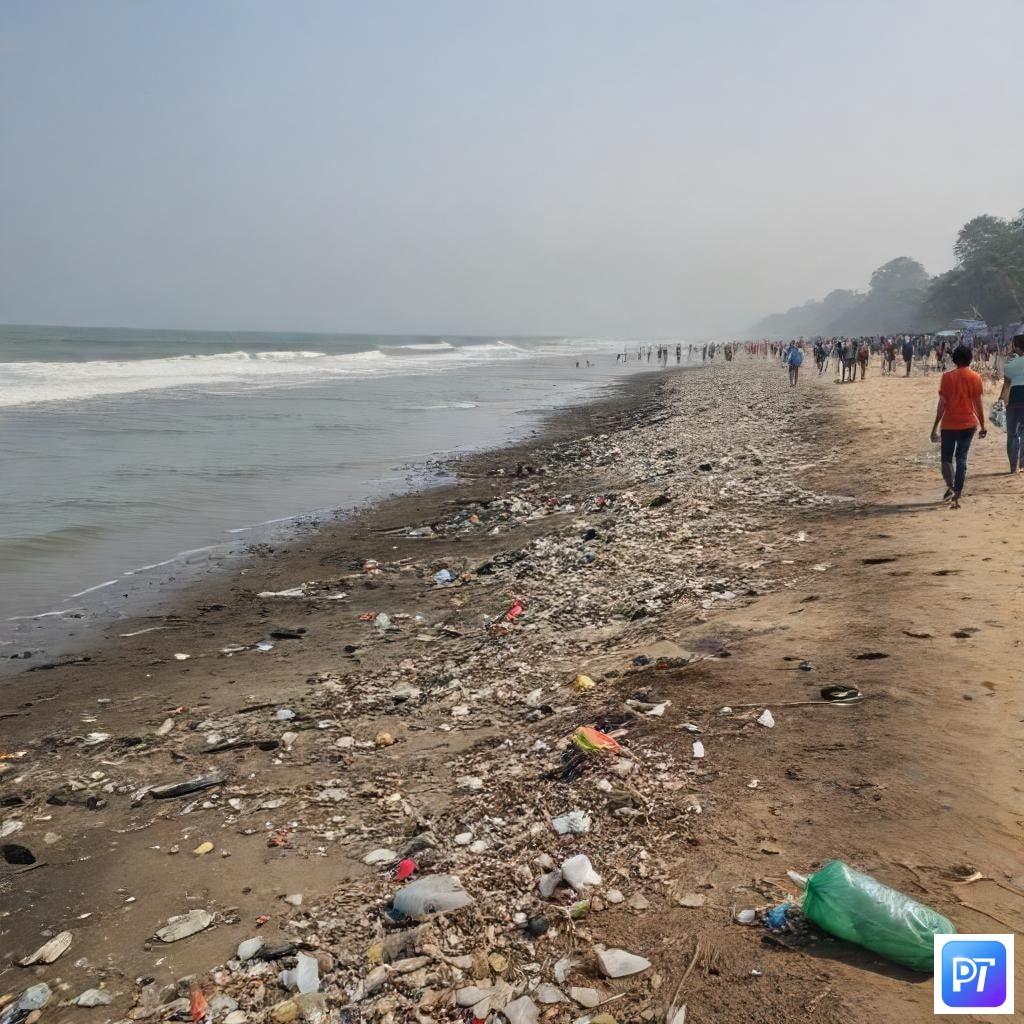
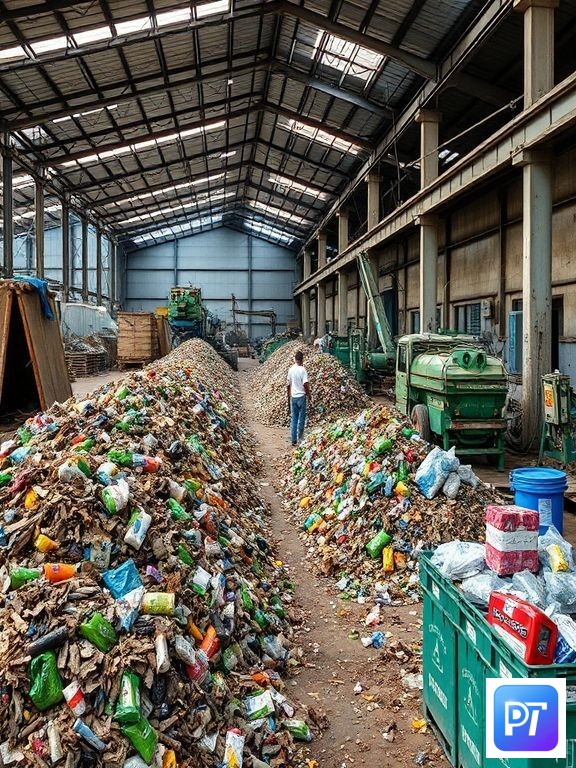
The management of waste is a significant challenge in India, with the country generating over 150,000 tonnes of municipal solid waste per day. The lack of effective waste management systems has resulted in the proliferation of dumpsites and landfills, which have severe environmental and health consequences. For example, the Agricultural Impact of waste management is significant, as the use of chemical fertilizers and pesticides can contaminate soil and water. Additionally, the Riverine Ecosystems are also affected, as the disposal of waste in rivers and lakes can harm aquatic life. Furthermore, the Climate Change mitigation strategies must also consider the role of waste management in reducing greenhouse gas emissions. The concept of waste management is crucial in understanding the scale of the problem.
Why
The reasons behind the poor state of waste management in India are complex and multifaceted. On one hand, the lack of infrastructure and resources has hindered the development of effective waste management systems. On the other hand, the lack of awareness and education among the general public has resulted in inadequate waste segregation and disposal practices. Additionally, the cultural and social factors, such as the stigma associated with waste management, have also contributed to the poor state of waste management in India. To address these issues, it is essential to adopt a holistic approach that takes into account the technical, social, and economic aspects of waste management. This can be achieved through the implementation of decentralized waste management systems, which can help to reduce the burden on urban infrastructure while also providing economic benefits to local communities. As seen in the case of the decentralized waste management initiatives, community-led approaches can play a crucial role in promoting sustainable waste management practices.
Small Description
The management of waste is a significant challenge in India, with severe environmental and health consequences. The lack of effective waste management systems has resulted in the proliferation of dumpsites and landfills, which must be addressed through the implementation of decentralized waste management systems and community-led initiatives.
Future Outlook
In the future, India is likely to face increasing pressure on its waste management systems due to urbanization and population growth. To mitigate this, the government and other stakeholders must adopt a proactive approach to waste management, including the implementation of decentralized waste management systems, community-led initiatives, and effective governance and enforcement of environmental regulations. The use of technology, such as waste-to-energy plants and recycling facilities, can also play a crucial role in reducing waste and promoting sustainable development. Furthermore, international cooperation and knowledge sharing can help India to learn from best practices in waste management and sustainable development. For instance, the concept of circular economy can provide a framework for reducing waste and promoting sustainable consumption and production patterns. Ultimately, the future of waste management in India depends on the ability of the government, civil society, and local communities to work together to promote sustainable waste management practices.
Tags
waste management
municipal solid waste
decentralized waste management
sustainable development
environmental conservation