Login with Google
Dec 30, 2025
Environment
31 views
Climate Change and India's Water Security
How
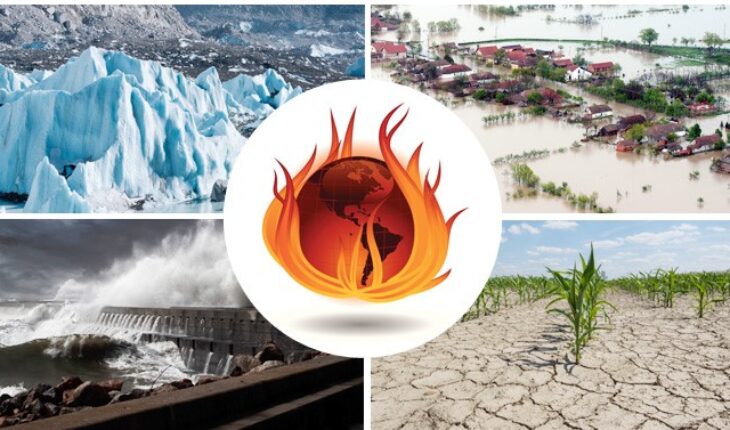
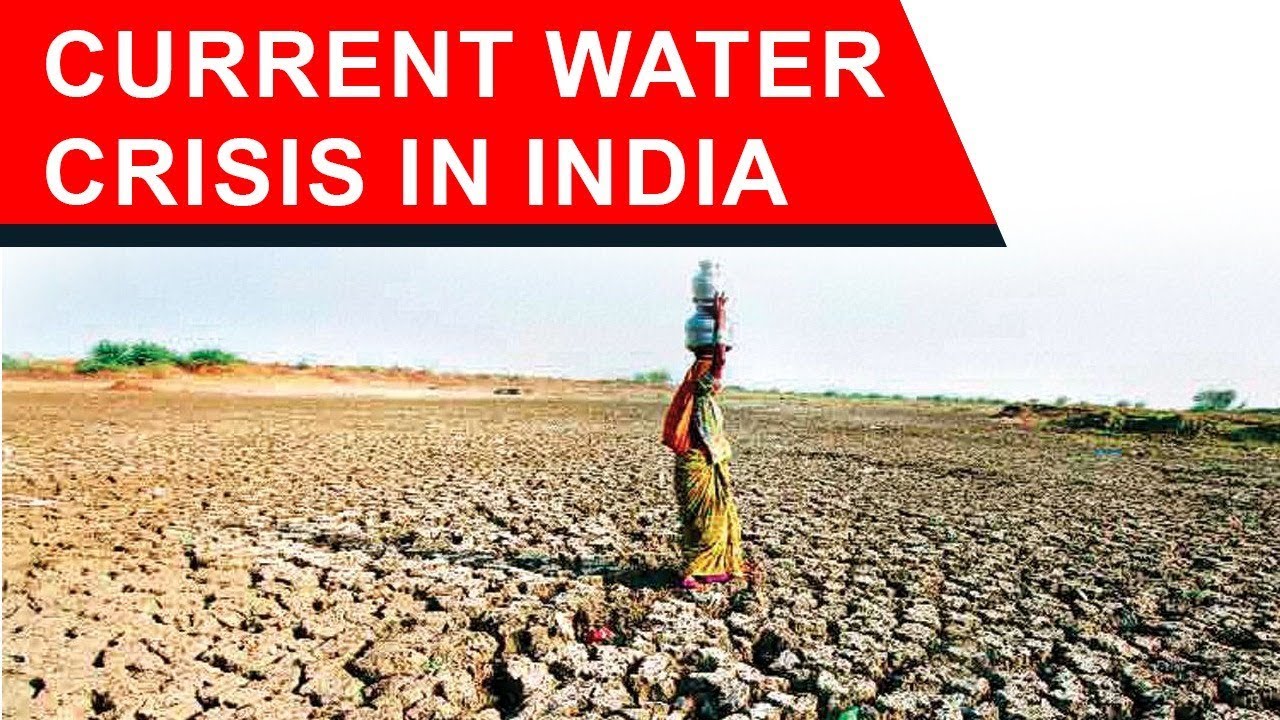
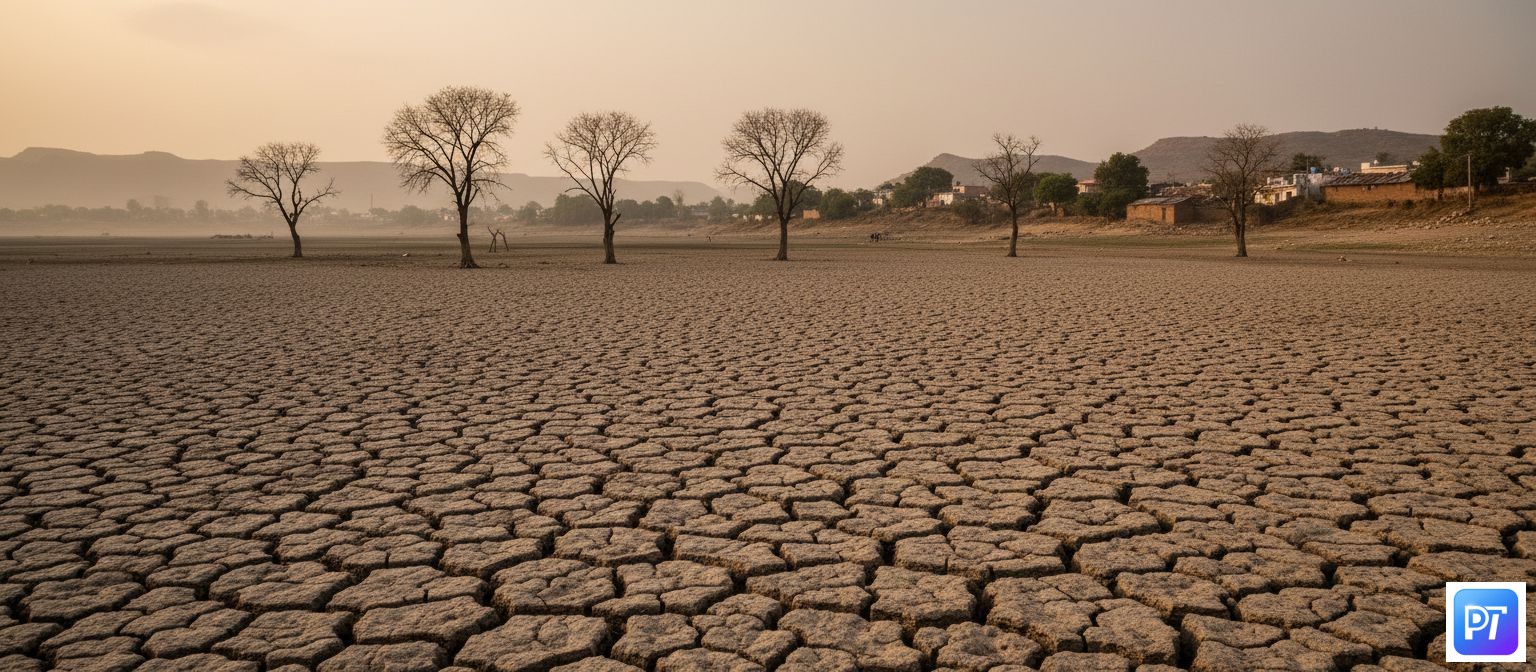
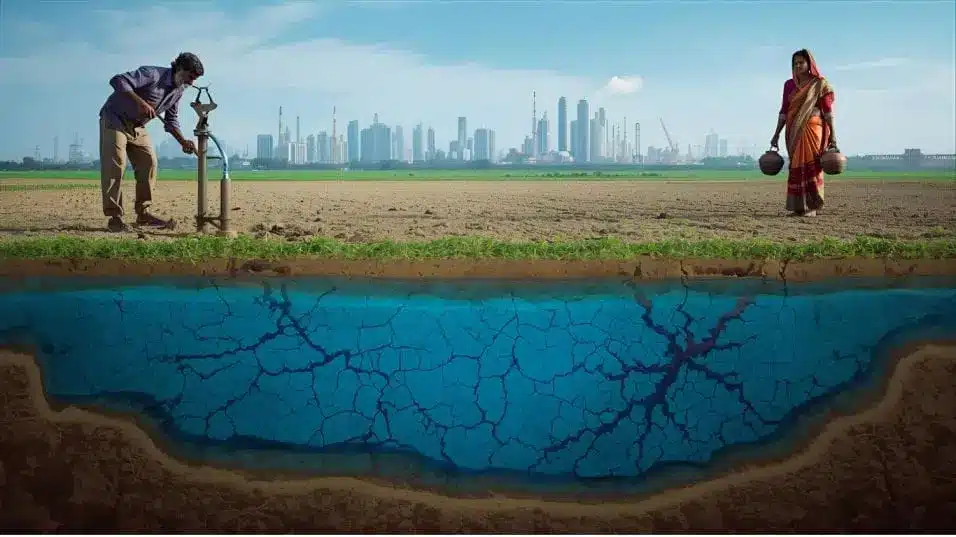
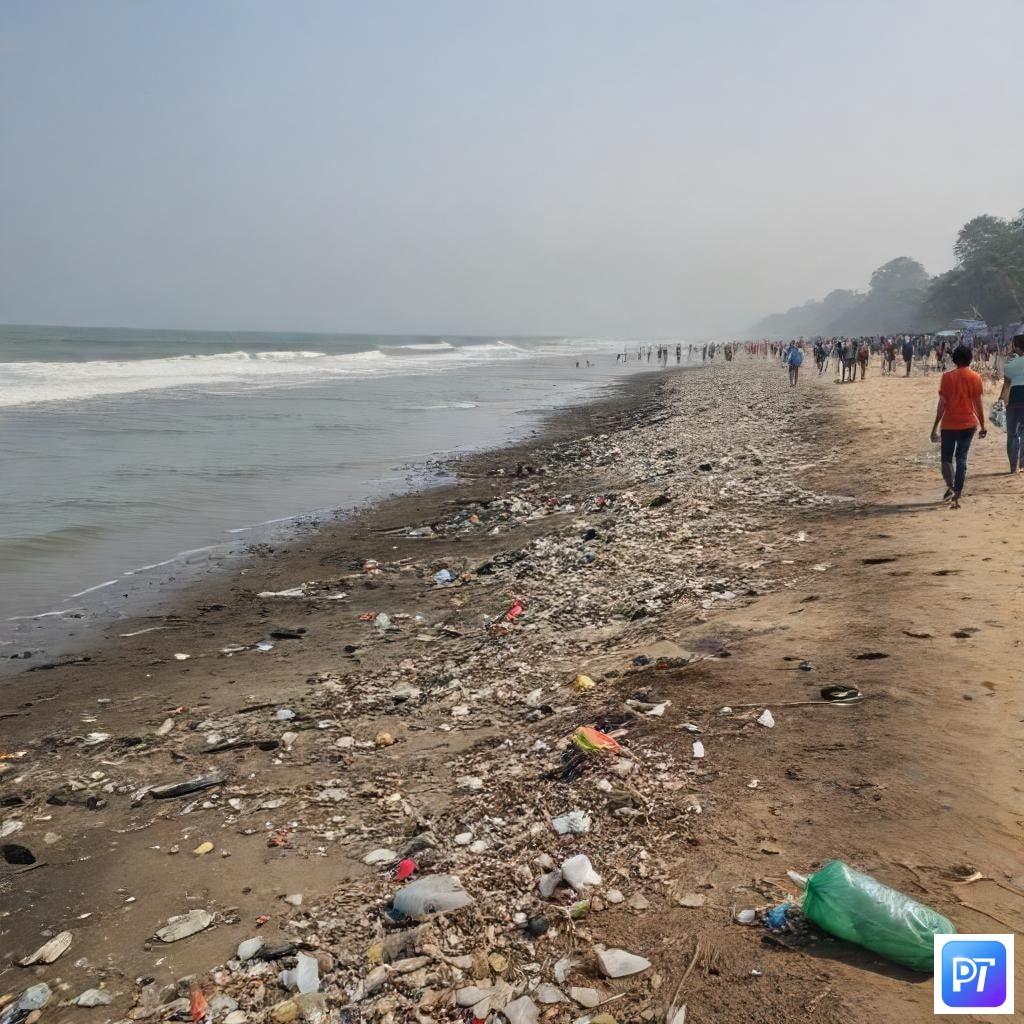
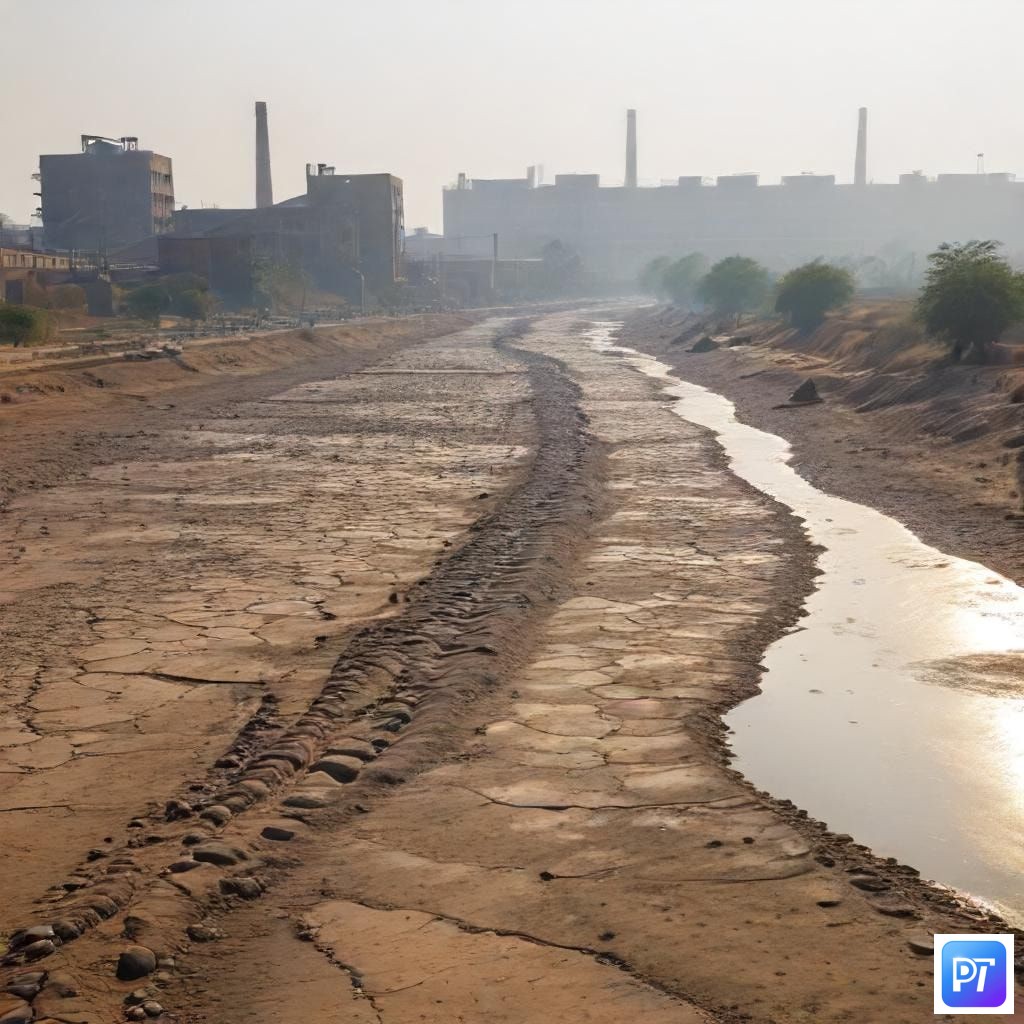
Climate change is having a significant impact on India's water security, with changing precipitation patterns, increased frequency of droughts and floods, and rising temperatures affecting the country's water resources. According to a report by the climate change, India's water security is under threat due to the increasing variability of rainfall and the melting of glaciers in the Himalayas. The main contributors to this threat are the agricultural and industrial sectors, which account for over 80% of the country's water usage. To address this issue, India needs to adopt water-saving practices such as efficient irrigation systems, rainwater harvesting, and water recycling. For example, the government can incentivize the use of drip irrigation systems, promote the use of water-efficient appliances, and invest in water recycling technologies. Additionally, the government can implement policies to reduce water pollution, promote watershed management, and protect the country's water sources. As noted in Urban Forestry Challenges, urban forestry is a significant challenge in India, and the government needs to take measures to promote urban forestry efforts. Furthermore, as discussed in Climate Resilient Infrastructure, climate-resilient infrastructure is essential for India's water security, and the government needs to invest in such infrastructure. Moreover, as mentioned in Waste Management Challenges, waste management is a significant challenge in India, and the government needs to take measures to address this challenge.
Why
The impact of climate change on India's water security is a significant concern because it has severe implications for the country's food security, economic growth, and human health. The effects of droughts and floods can have devastating impacts on India's agriculture, industry, and human settlements, leading to food shortages, economic losses, and human migration. Moreover, the degradation of water quality can lead to water-borne diseases, decreased crop yields, and reduced water availability for human consumption. To mitigate these impacts, India needs to adopt a comprehensive approach to water management that includes water conservation, efficient use of water, and protection of water sources. This requires a fundamental transformation of the country's water management systems, as well as a change in individual behaviors and lifestyles. For instance, the government can promote water-saving practices, invest in water recycling technologies, and implement policies to reduce water pollution and protect the country's water sources. Additionally, the government can invest in education and awareness-raising programs to promote water conservation and community engagement in water management.
Small Description
Climate change is having a significant impact on India's water security, with changing precipitation patterns, increased frequency of droughts and floods, and rising temperatures affecting the country's water resources. To address this issue, India needs to adopt water-saving practices such as efficient irrigation systems, rainwater harvesting, and water recycling.
Future Outlook
In the future, India's water security is expected to continue to be under threat unless the country takes drastic measures to address the impacts of climate change. The government can promote water-saving practices, invest in water recycling technologies, and implement policies to reduce water pollution and protect the country's water sources. Additionally, the government can invest in education and awareness-raising programs to promote water conservation and community engagement in water management. As the world's second-most populous country, India has a critical role to play in global efforts to address the challenges of climate change and water security. The country's actions will not only have significant implications for its own water security but also for the global community. Therefore, it is essential for India to adopt a comprehensive approach to water management that includes water conservation, efficient use of water, and protection of water sources.
Tags
climate change
water security
water management
water conservation
water recycling