Login with Google

Dec 25, 2025
Finance & Investing
23 views
Financial Inclusion Challenges Persist
How
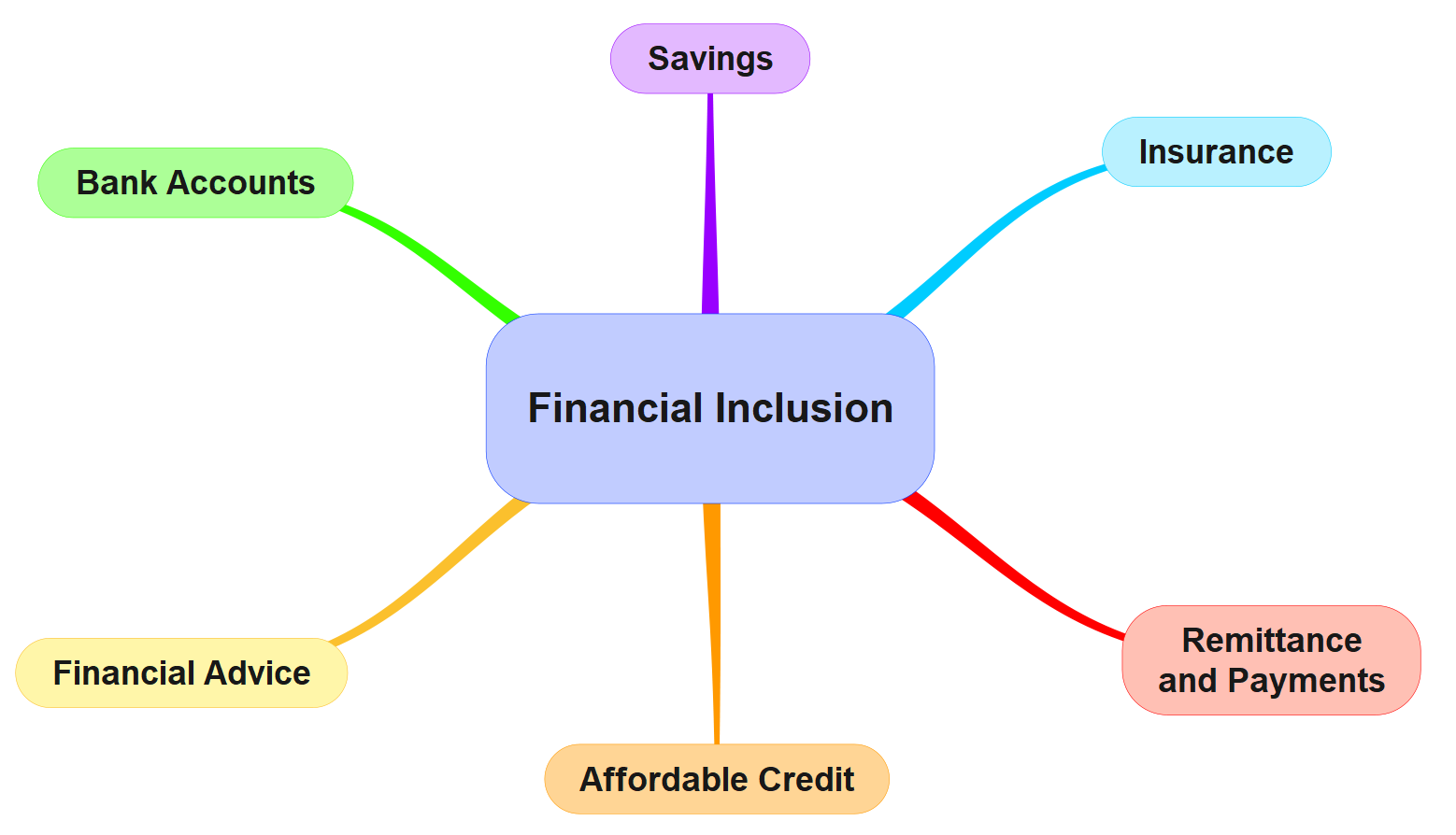
Financial inclusion has been a longstanding challenge in India, with a significant portion of the population lacking access to basic financial services. According to a report by the World Bank, in 2020, approximately 190 million adults in India remained unbanked, with women and rural populations being disproportionately affected. This issue is further complicated by the fact that many Indians rely on informal financial channels, such as moneylenders and chit funds, which often charge exorbitant interest rates and fees. To address this challenge, the Indian government has launched several initiatives, including the Financial Inclusion Plan, which aims to provide banking services to all households by 2025. Additionally, the government has also introduced the Pradhan Mantri Jan-Dhan Yojana scheme, which provides incentives for banks to open accounts for low-income individuals. However, despite these efforts, significant challenges persist, including a lack of financial literacy and limited access to banking infrastructure in rural areas. As noted in the Navigating India's Evolving Financial Landscape report, the key to addressing these challenges lies in developing innovative, technology-driven solutions that can reach remote and underserved populations.
Why
The persistence of financial inclusion challenges in India has significant implications for the country's economic development and poverty reduction efforts. By excluding a large portion of the population from the formal financial system, India is essentially denying them access to a range of essential services, including savings, credit, and insurance. This not only limits their ability to manage financial risk and invest in their future but also perpetuates poverty and inequality. Furthermore, the lack of financial inclusion also hinders the government's ability to implement effective economic policies and track financial transactions, which can lead to a loss of revenue and increased corruption. As the Wikipedia page on Financial Inclusion notes, financial inclusion is a critical component of a country's economic development strategy, and its absence can have far-reaching consequences. In the context of India, addressing financial inclusion challenges is essential for achieving the government's goal of becoming a $5 trillion economy by 2025.
Small Description
Financial inclusion remains a significant challenge in India, with many individuals lacking access to basic financial services. The government has launched several initiatives to address this issue, but significant challenges persist, including a lack of financial literacy and limited access to banking infrastructure in rural areas.
Future Outlook
In the future, India is likely to see a significant increase in the use of digital technologies to address financial inclusion challenges. The government has already launched several initiatives, including the Digital India program, which aims to provide digital infrastructure and services to all citizens. Additionally, private sector companies, such as fintech startups and mobile payment providers, are also playing a critical role in expanding access to financial services. As the use of digital technologies becomes more widespread, it is likely that India will see a significant reduction in the number of unbanked individuals, and an increase in the use of formal financial services. However, it is also important to note that the increased use of digital technologies will also create new challenges, such as the need for enhanced cybersecurity and data protection measures. As the India's Growing Economy report notes, the key to addressing these challenges lies in developing a comprehensive framework for digital financial inclusion, which takes into account the needs of all stakeholders, including consumers, banks, and regulators.
Tags
Financial Inclusion
India
Banking
Poverty Reduction
Economic Development