Login with Google
Dec 23, 2025
Environment
31 views
Climate Change and the Himalayan Water Tower
How
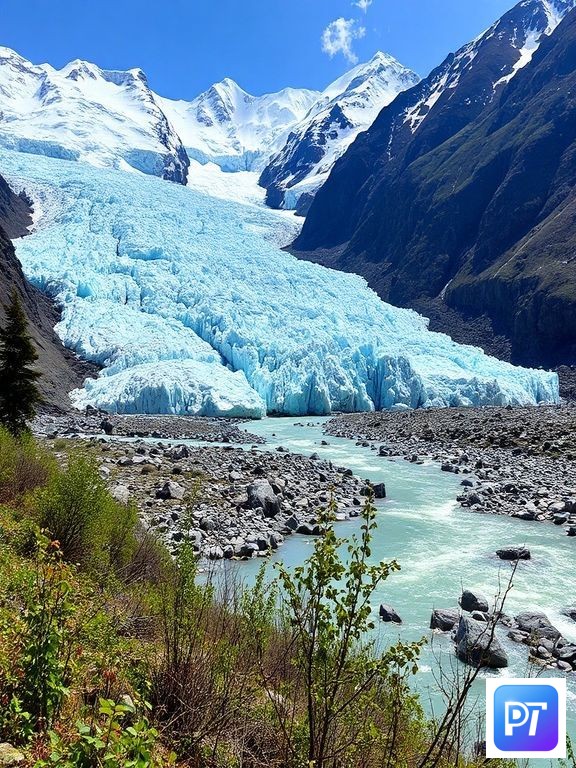
The Himalayas, often referred to as the 'water tower' of Asia, are facing significant impacts from climate change. Rising temperatures are causing glaciers to melt at an alarming rate, leading to changes in river flow and increased risk of floods and droughts. For example, the Disappearing Glaciers in the Himalayas have significant implications for the region's water security. The construction of hydropower projects, such as the Tehri Dam in Uttarakhand, has also altered the natural flow of rivers and increased the risk of landslides and flash floods. As noted in Riverine Ecosystems, the health of riverine ecosystems is closely linked to the health of the surrounding landscape. Furthermore, the Waste Management practices in the region can have significant impacts on the environment and human health.
Why
The impacts of climate change on the Himalayan water tower have significant implications for the environment, human health, and the economy. The region is home to numerous rivers, including the Ganges, Indus, and Brahmaputra, which support the livelihoods of millions of people. Changes in river flow and increased risk of floods and droughts can have significant impacts on agriculture, industry, and human settlements. The economic implications of climate change in the Himalayas are also significant, as the region's tourism industry, which is worth billions of dollars, is heavily dependent on the presence of glaciers and snow-covered peaks. As noted on Climate Change, the conservation of the Himalayan water tower is essential for maintaining ecosystem services and promoting human well-being.
Small Description
The Himalayas, often referred to as the 'water tower' of Asia, are facing significant impacts from climate change. Rising temperatures are causing glaciers to melt at an alarming rate, leading to changes in river flow and increased risk of floods and droughts.
Future Outlook
In the future, the conservation of the Himalayan water tower will require a multi-faceted approach that involves the government, civil society, and local communities. The implementation of climate-resilient infrastructure, such as flood-resistant construction and climate-smart agriculture, can help reduce the risks associated with climate change. Additionally, the promotion of sustainable tourism and the development of sustainable livelihoods for local communities can help promote conservation and reduce the pressure on the environment. The use of technology, such as remote sensing and monitoring, can also help track changes in glacier cover and river flow, and inform conservation efforts. The Indian government has launched several initiatives to promote conservation, including the National Action Plan on Climate Change, and it is essential that these efforts are continued and strengthened in the future.
Tags
Himalayas
climate change
glaciers
river flow
water security