Login with Google
Jan 2, 2026
Environment
20 views
India's Environmental Migration Patterns
How
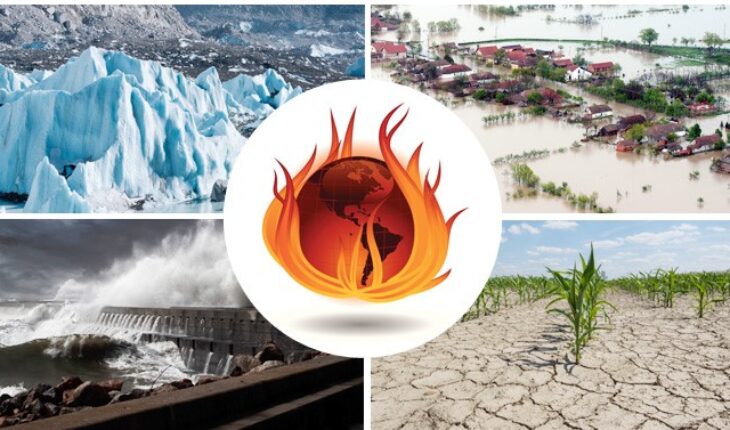
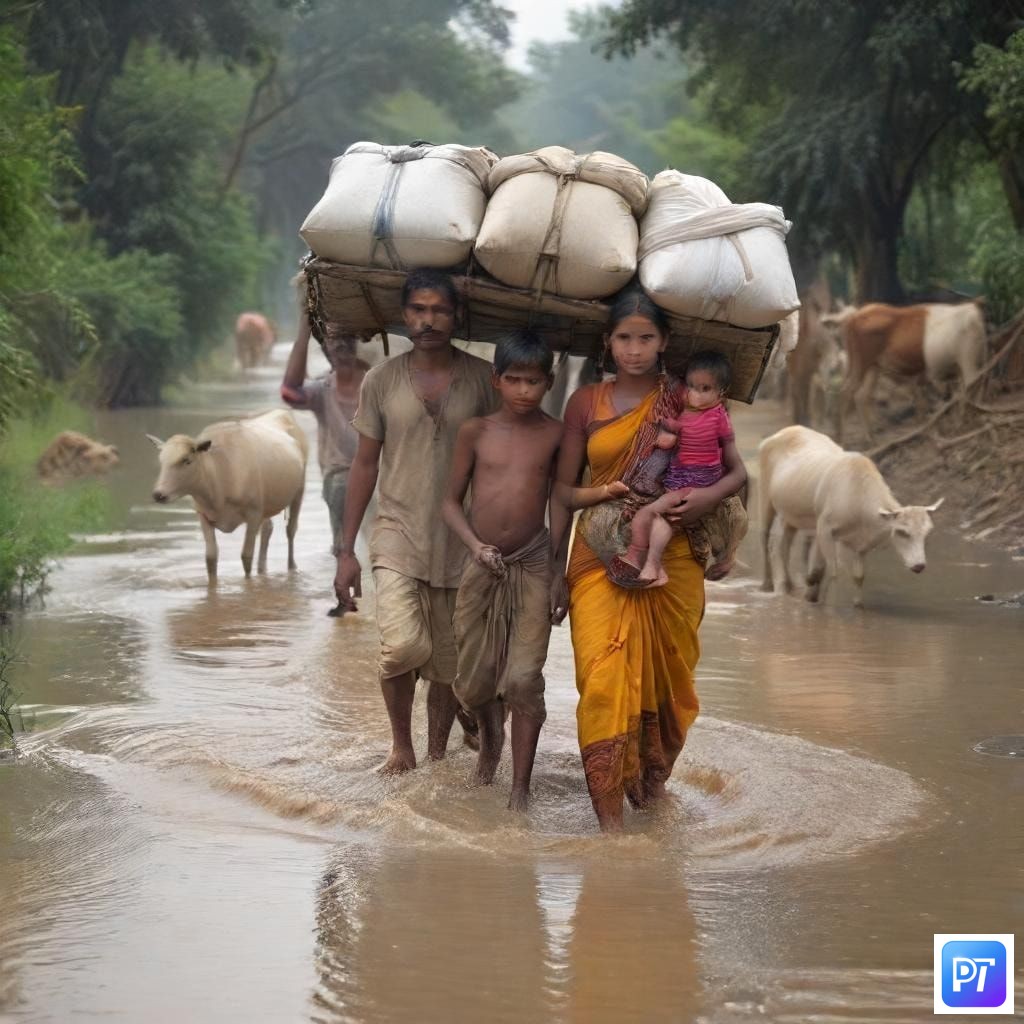
Environmental migration is becoming a significant concern in India, with millions of people being displaced due to climate change, natural disasters, and environmental degradation. According to a report by the Ecological Footprint, India is one of the most vulnerable countries to environmental migration. The main drivers of environmental migration in India are climate change and soil erosion. As the country continues to experience more frequent and severe natural disasters, the number of environmental migrants is expected to increase. This phenomenon has significant implications for India's urban planning, resource management, and social welfare systems.
Why
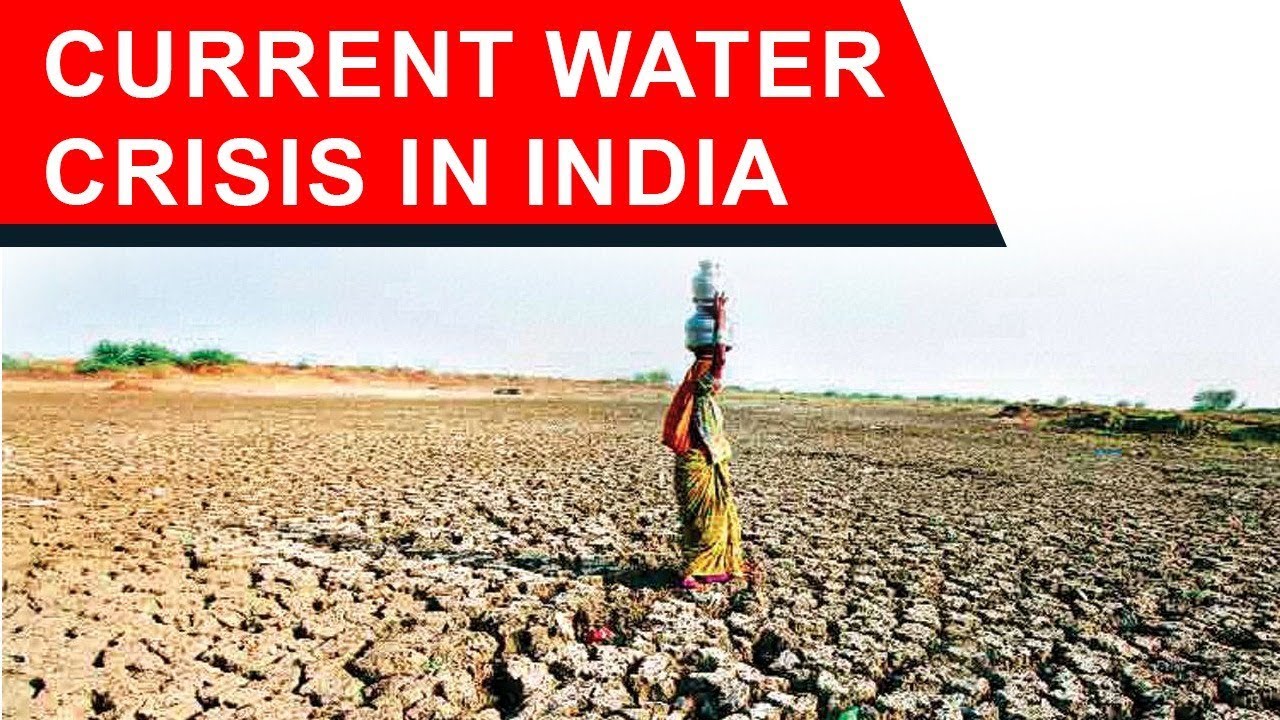
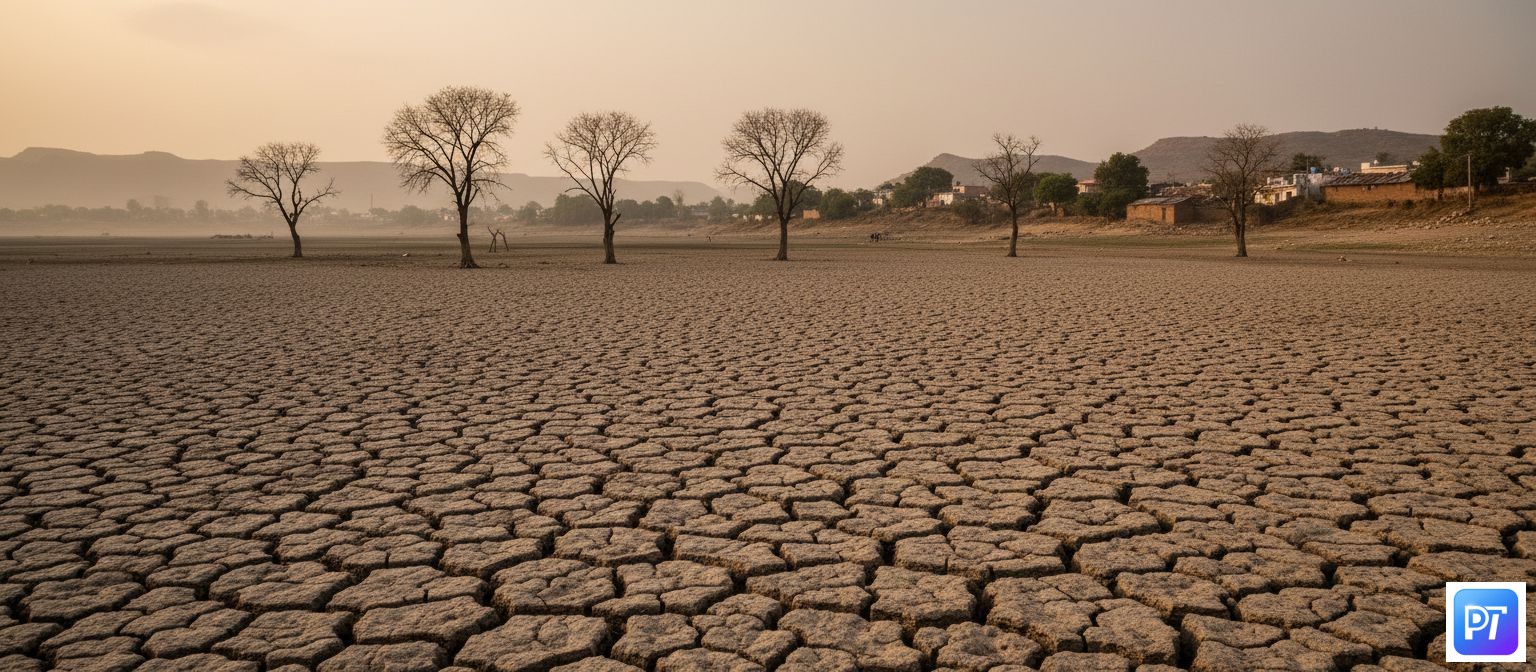
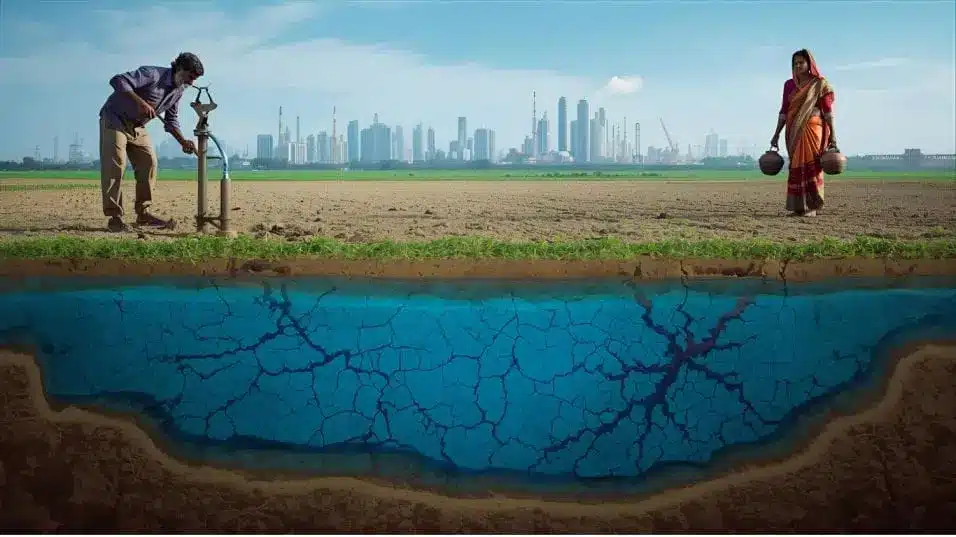
The reasons behind environmental migration in India are complex and multifaceted. One of the primary causes is the increasing frequency and severity of natural disasters, such as floods, droughts, and cyclones. These events are often triggered by climate change, which is altering India's weather patterns and making it more vulnerable to extreme weather events. Additionally, environmental degradation, such as deforestation and soil erosion, is reducing the availability of natural resources, forcing people to migrate to other areas in search of livelihoods. The environmental migration phenomenon is not only a humanitarian concern but also a development challenge, as it can lead to social, economic, and cultural disruption in both the areas of origin and destination.
Small Description
Environmental migration is a growing concern in India, with millions of people being displaced due to climate change, natural disasters, and environmental degradation. This phenomenon has significant implications for India's urban planning, resource management, and social welfare systems.
Future Outlook
In the future, environmental migration is expected to increase in India, driven by climate change, natural disasters, and environmental degradation. To address this challenge, the Indian government will need to develop and implement effective policies and strategies to mitigate the effects of environmental migration. This may include investing in climate-resilient infrastructure, promoting sustainable agriculture practices, and providing support to environmental migrants. Additionally, international cooperation and global governance will be essential to address the root causes of environmental migration and provide protection to those who are displaced. As the world continues to experience the impacts of climate change, environmental migration will become an increasingly important issue, requiring a comprehensive and coordinated response from governments, civil society, and the private sector.
Tags
environmental migration
climate change
natural disasters
soil erosion
ecological footprint