Login with Google

Jan 1, 2026
Environment
10 views
Ecological Debt Crisis
How
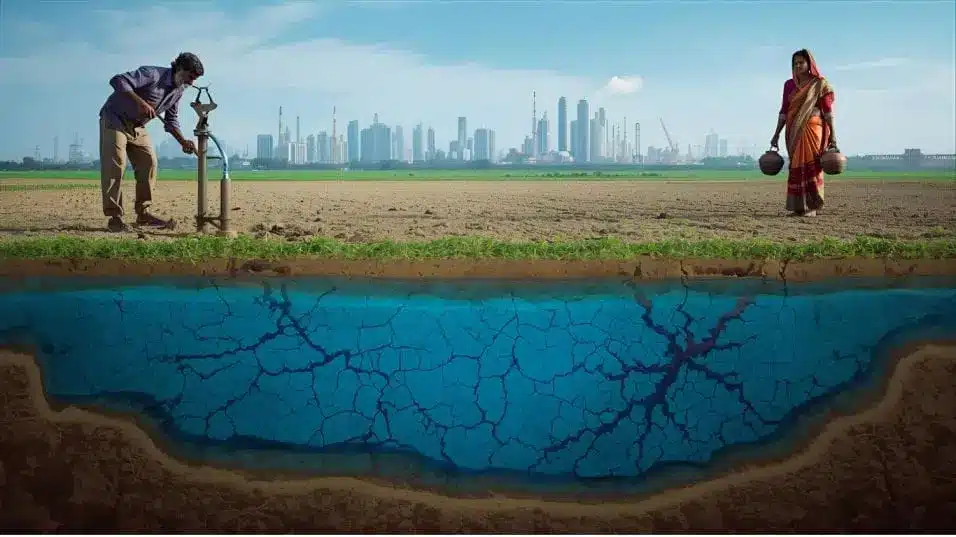
The concept of ecological debt refers to the depletion of natural resources and the degradation of ecosystems, which can have severe consequences for the environment and human societies. In India, the ecological debt crisis is particularly pronounced, with the country's rapid economic growth and industrialization leading to widespread deforestation, water pollution, and soil degradation. For instance, the construction of large dams has led to the displacement of communities and the destruction of habitats, while the use of pesticides and fertilizers in agriculture has contaminated soil and water. To understand the how of this crisis, it is essential to examine the complex interplay between economic, social, and environmental factors. According to a report by the Bioeconomy Potential, India's bioeconomy has the potential to drive sustainable growth, but it requires a fundamental transformation of the country's economic model. Furthermore, the Climate Change and Water Security report highlights the need for climate-resilient infrastructure to protect India's water resources. Additionally, the Ecological Footprint study reveals that India's ecological footprint is increasing, with significant implications for the country's biodiversity and ecosystem services. Wikipedia's ecological debt page provides a comprehensive overview of the concept and its global implications.
Why
The ecological debt crisis in India is a pressing concern because it has far-reaching consequences for the country's environment, economy, and human well-being. The why of this crisis can be understood by examining the underlying drivers of ecological debt, including population growth, consumption patterns, and economic policies. For example, the increasing demand for energy and natural resources has led to the exploitation of India's ecosystems, resulting in deforestation, water pollution, and soil degradation. To address this crisis, it is essential to adopt a holistic approach that integrates economic, social, and environmental considerations. This can involve implementing sustainable practices, such as renewable energy, sustainable agriculture, and eco-friendly transportation, as well as promoting education and awareness about the importance of environmental conservation. The Urban Forestry Challenges report highlights the need for sustainable urban planning to mitigate the effects of ecological debt in cities. Moreover, the Climate Change Adaptation Strategies study emphasizes the importance of climate-resilient infrastructure in protecting India's ecosystems. Furthermore, the Waste Management Challenges report underscores the need for effective waste management practices to reduce the environmental impacts of human activities.
Small Description
The ecological debt crisis in India is a complex and multifaceted issue that requires a comprehensive approach to address its far-reaching consequences. The crisis is driven by the depletion of natural resources, degradation of ecosystems, and the impacts of climate change. To mitigate this crisis, it is essential to adopt sustainable practices, promote education and awareness, and implement climate-resilient infrastructure.
Future Outlook
The future of India's ecological debt crisis will depend on the country's ability to adopt sustainable practices, reduce its ecological footprint, and promote environmental conservation. One emerging development is the growth of the bioeconomy, which has the potential to drive sustainable growth and reduce India's ecological debt. However, this will require a fundamental transformation of the country's economic model, including the adoption of renewable energy, sustainable agriculture, and eco-friendly transportation. Another development is the increasing focus on climate-resilient infrastructure, which can help protect India's ecosystems and reduce the impacts of climate change. For example, the use of green infrastructure, such as urban forests and green roofs, can help mitigate the urban heat island effect and reduce the risk of flooding. Additionally, the development of climate-resilient agriculture practices, such as agroforestry and permaculture, can help reduce the vulnerability of India's agricultural sector to climate change. Overall, the future of India's ecological debt crisis will depend on the country's ability to balance economic growth with environmental sustainability and social equity.
Tags
ecological debt
environmental degradation
sustainable development
climate change
biodiversity